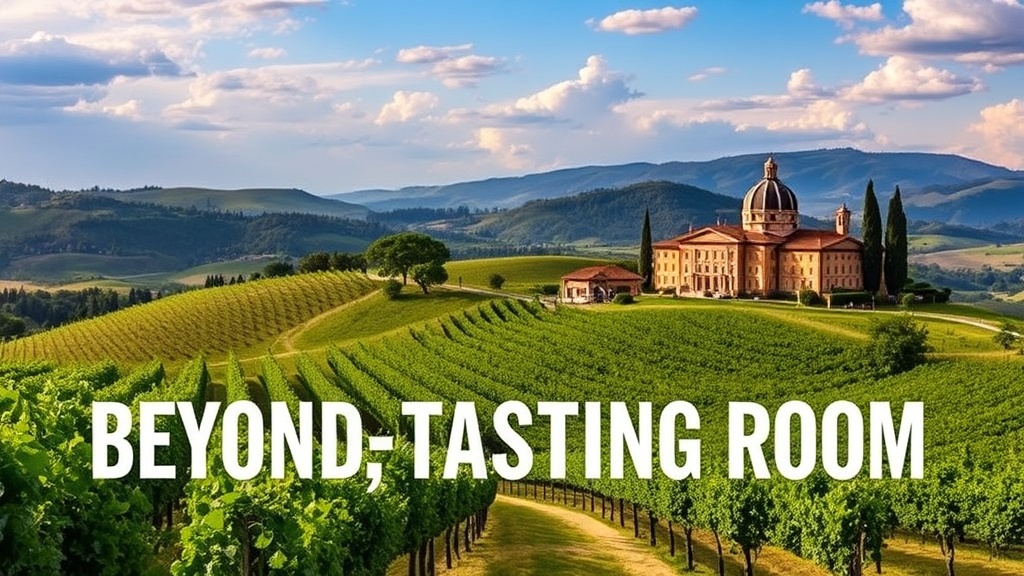
Beyond the Tasting Room: Exploring the Hidden Side of Tuscany

The Unseen Side of the Italian Countryside
Nearly seventy percent of travelers visiting Tuscany head straight to the same three cities—Florence, Siena, and Pisa—often missing the very soul of the region. While the Renaissance architecture and famous towers grab the headlines, the real magic happens in the quiet, olive-grove-lined valleys and the small, hilltop villages that don't show up on every social media feed. This post explores how to look past the tourist crowds to find the authentic, slower-paced experiences that make this part of the world so special.
Traveling through the Tuscan countryside isn't just about checking boxes on a list of famous landmarks. It's about the rhythm of the day. If you spend your entire trip stuck in traffic or waiting in lines for a photo, you've missed the point. The real goal is to find a way to slow down and actually live the local way for a few days—even if it's just a temporary version of it.
Where is the best place to stay for an authentic experience?
If you want to feel like a local, skip the massive hotel chains in the city centers. Instead, look for an agriturismo. These are working farms that offer guest accommodations, and they provide a window into the actual agricultural life of the region. You might wake up to the smell of rosemary and the sound of a tractor in the distance rather than a car horn.
Staying in an agriturismo offers several perks:
- Direct access to seasonal, farm-to-table produce
- A much quieter environment for sleeping
- An opportunity to learn about local farming traditions
- A more budget-friendly way to stay in high-quality settings
Many of these farms also offer small classes on olive oil production or traditional cooking. It's a much more intimate way to understand the culture than reading a book or watching a video. You're seeing the process in real-time, in the very place where it happens. For those looking for more formal luxury, even high-end villas in the countryside often provide a sense of seclusion that a city hotel simply cannot match.
How do I avoid the crowds in popular areas?
The secret to avoiding the heaviest crowds is simple: timing and geography. If you're determined to see the big-name sites, go early. I'm talking about being at the gates when they open or arriving at a museum an hour before it closes. However, the best way to avoid crowds is to simply not go where everyone else is going. While everyone is fighting for a view of the Leaning Tower, you could be wandering through the quiet streets of Lucca or exploring the coastal beauty of the Maremma region.
The Maremma, for instance, is often overlooked by the standard tourist circuit. It's a wilder, more rugged part of Tuscany that feels much more untamed than the manicured hills of Chianti. It's perfect for travelers who want to hike, ride horses, or just enjoy the sea without the heavy weight of crowds. You can find excellent information on regional travel through the Official Italy Tourism Portal, which often highlights less-traveled paths.
"Travel is not about seeing new things, but about seeing things with new eyes." — This sentiment holds true when you move away from the landmarks and toward the local lifestyle.
When you're planning your route, don't feel pressured to see everything. It's better to see three things deeply than twenty things superficially. A day spent sitting in a small piazza in a village like Pienza, watching the world go by while sipping an espresso, is just as valuable as a day spent in a crowded museum. It's about the quality of your presence.
What should I pack for a rural trip?
Packing for the countryside requires a different mindset than packing for a city. You'll likely be walking on uneven, gravel paths and cobblestones, so footwear is your most important decision. Leave the high heels at home; they're a recipe for a twisted ankle on a medieval street. Instead, opt for sturdy, broken-in walking shoes or high-quality sandals.
You should also consider the unpredictable nature of the weather. Even in the height of summer, the evenings in the hills can feel quite cool. A light layer—like a linen shirt or a light sweater—is a smart move. Don't forget a hat and high-quality sunscreen, as the Tuscan sun can be quite intense during the midday hours. If you're planning on visiting vineyards or rural farms, a small backpack will be your best friend for carrying water, snacks, and any small purchases you pick up along the way.
For more detailed advice on seasonal weather and clothing, the Accademia della Crusca and other cultural sites often discuss the history of regional attire and the changing seasons, which can give you a deeper appreciation for the local lifestyle. If you find yourself needing more specific logistics for your trip, checking local weather patterns via official meteorological sites is a good habit to form.
The beauty of the Tuscan countryside lies in its ability to teach you patience. Whether it's waiting for the perfect sun to hit the hills or waiting for a slow-cooked meal to be served, the region asks you to slow down. If you approach your trip with that mindset, you'll find much more than just a pretty view—you'll find a way to actually connect with the place.