Bordeaux Beyond the Châteaux Gates: What to Expect on Your First Visit

A lot of people assume you need a massive bank account or a sommelier’s degree to step foot in Bordeaux. There’s this lingering idea that the region is a closed-off fortress where only high-stakes collectors are welcome — but that couldn’t be further from the truth. If you’re planning a vacation here, it’s helpful to realize that Bordeaux has spent the last decade becoming one of the most accessible and tourist-friendly parts of France. This guide covers how to split your time between the famous riverbanks, the easiest ways to get around without a car, and why booking a tour is different than what you might expect in North America.
Where should you stay in the Bordeaux region?
Deciding on a home base is the first big hurdle. You have two main choices: the city center or the countryside villages. The city of Bordeaux itself is a marvel of 18th-century architecture and, quite frankly, it’s the most logical choice for most first-timers. It’s walkable, packed with incredible bistros, and serves as the central hub for the regional train system. You can stay in a converted townhouse in the Chartrons district (the old wine merchant quarter) and be within a ten-minute walk of the riverfront. Staying in the city also gives you easy access to the Cité du Vin, which is basically a high-tech museum dedicated to global wine culture. It’s worth a few hours of your time just for the architecture alone.
On the other hand, if you’re looking for that postcard-perfect French village experience, Saint-Émilion is the place to be. It’s a steep, medieval town with cobblestone streets that will definitely give your calves a workout. Staying here means you’re right in the heart of the action, but keep in mind that the town gets very quiet — and somewhat touristy — once the day-trippers leave. If you choose the countryside, you’ll probably want a car. While the trains are good, they won't get you to the front door of every château. If you prefer to skip the driving entirely, stick to the city and use the local trams and regional TER trains to head out for day trips. It’s a much less stressful way to spend a vacation than trying to find your way through narrow vineyard roads after a couple of tastings.
Is the Left Bank or the Right Bank better for a short trip?
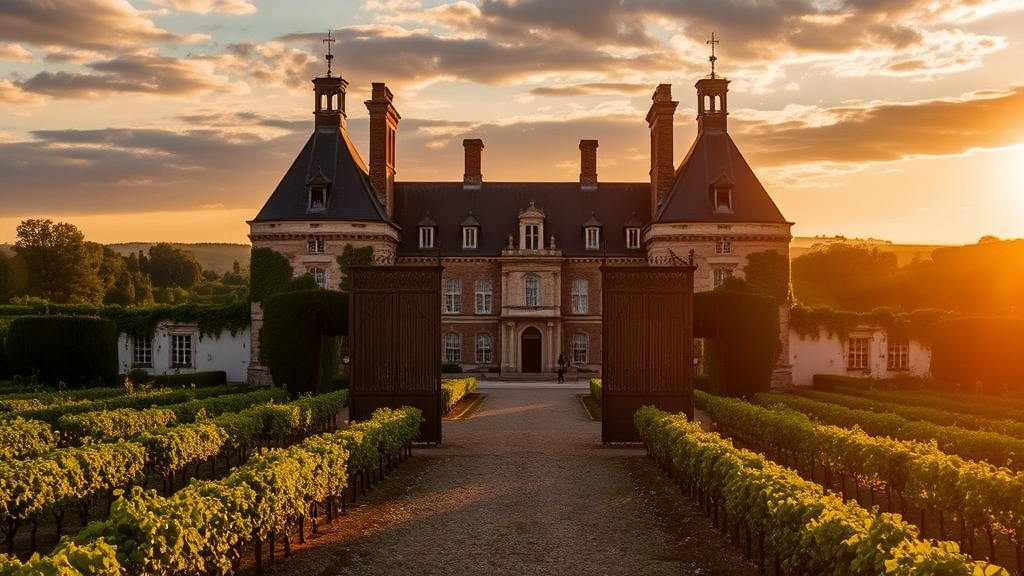
You’ll hear these terms constantly: Left Bank and Right Bank. They refer to which side of the Garonne and Dordogne rivers you’re on. For a short three-day trip, trying to do both is a mistake. The terrain and the vibe of these two areas are distinct, and they aren't exactly next door to each other (traffic around the city can be a nightmare). The Left Bank (the Médoc) is where you’ll find the big names like Margaux, Latour, and Lafite. The geography here is flat and dominated by gravel. It’s home to those grand, imposing châteaux that look like mini-palaces. If you want to see high-end production and dramatic estates, this is your spot. However, the Médoc is a long, thin peninsula. Getting from the city to the northern parts like Saint-Estèphe can take over an hour. It’s a commitment.
The Right Bank (Saint-Émilion and Pomerol) feels much more intimate. The estates are smaller, often family-run, and the geography is hillier and greener. Because Saint-Émilion is so compact, you can visit several spots without spending half your day in a car. For most casual travelers, the Right Bank offers a more relaxed pace. The wines here are Merlot-dominant, making them a bit more approachable if you aren't into the heavy tannins of the Left Bank’s Cabernet Sauvignon. You'll find the architecture here to be more rustic and limestone-heavy compared to the grand gravelly plains of the west.
How do you book a tasting at a top château?
This is where many visitors get tripped up. In many regions, you can just show up and walk into a tasting room. In Bordeaux, that’s almost never the case. You need an appointment. Most of these estates are working farms and private residences; they don’t have a bar with a "walk-ins welcome" sign. The good news is that booking is easier than it used to be. You don't need a secret handshake or a professional connection. Most estates have booking portals on their websites, or you can use the official Bordeaux Tourism website to find available slots.
When you book, you aren't just paying for a glass of wine; you're paying for a guided tour of the cellars and the vats. Expect to spend about 60 to 90 minutes at each location. Don't feel like you have to aim for the "First Growths" either. While visiting a famous spot is fun, the smaller "Cru Bourgeois" or "Grand Cru" estates often provide a much more personal experience. You’ll likely be talking to the person who actually made the wine, rather than a dedicated tour guide. Also, be aware that many châteaux are closed on weekends. If you’re planning your trip, try to schedule your vineyard visits for Tuesday through Friday to ensure the most options.
A quick note on etiquette: Arriving on time is non-negotiable. If you're late, you likely won't just miss a few minutes of the tour; you might find the gates closed. It’s also polite to buy at least one bottle if you’ve had a great experience, though it isn’t strictly required like it might be in some smaller wine regions. Most châteaux can handle shipping if you find something you absolutely love, though the costs can add up quickly.
What should you pack for a Bordeaux trip?
- Comfortable walking shoes: You will be on your feet for cellar tours and walking on gravel or cobblestones.
- A light sweater or jacket: Even in the height of summer, wine cellars are kept at a cool, constant temperature.
- An extra bag: For the bottles you will inevitably want to bring home.
- A portable charger: Between maps and photos of vines, your phone battery will drain faster than you think.
Understanding the cost of your visit
Expect to pay anywhere from 15 to 50 Euros per person for a tour and tasting. While that might seem steep compared to some other regions, the level of education and access you get is usually much higher. You’ll see the barrel rooms where millions of dollars worth of wine is aging, and you’ll get a deep dive into the history of the specific plot of land you’re standing on. It’s an investment in your knowledge, not just a quick drink. You’ll also find that many estates offer themed tastings — vertical tastings of different years or workshops on blending — which can be a great way to spend an afternoon if you want to get more technical.
The best time of year to plan your visit
Timing is everything when it comes to a Bordeaux vacation. Many people think summer is the peak, but July and August can be sweltering and crowded. Instead, aim for May or June when the vines are flowering and the weather is mild. Alternatively, September is electric because of the harvest, though you might find that some smaller châteaux are too busy picking grapes to host visitors. During harvest, the city feels alive with energy, and the smell of fermenting grapes actually hangs in the air in some of the smaller villages.
Avoid the first week of April if you aren't in the wine trade. That’s "En Primeur" week, when thousands of professionals descend on the city to taste the new vintage. Hotels will be booked solid and prices will skyrocket. If you want a quiet, budget-friendly trip, the winter months (November through March) are surprisingly great for the city itself, though the vineyards will look a bit stark and brown. You won't get the lush green scenery, but you will get the best restaurant reservations without needing to book weeks in advance.
If you're worried about the language barrier, don't be. Almost every château that accepts tourists will have a guide who speaks fluent English. They're used to international visitors and are generally very happy to explain the complexities of their soil or their blending process. Just remember to be on time — punctuality is taken very seriously here. The city’s public transport is another highlight. The tram system is clean, fast, and covers almost everywhere you’d want to go as a tourist. You can buy a day pass at any station for a few Euros. It’s a great way to see the different neighborhoods, from the historic center to the modern, revitalized wet docks area.
When you’re eating out, look for the "Menu du Jour" at lunch. It’s usually a fixed-price three-course meal that offers the best value in the city. Many of the top chefs in Bordeaux offer these midday deals to locals, and it's a fantastic way to experience high-end French cooking without the evening price tag. You’ll find that the service is professional and efficient, but never rushed — meals are meant to be enjoyed, after all. The city comes alive at night around the Place de la Bourse and the Quincunxes, where the lighting makes the limestone buildings glow with a warm, golden hue. It’s the perfect end to a day of exploring the surrounding countryside.