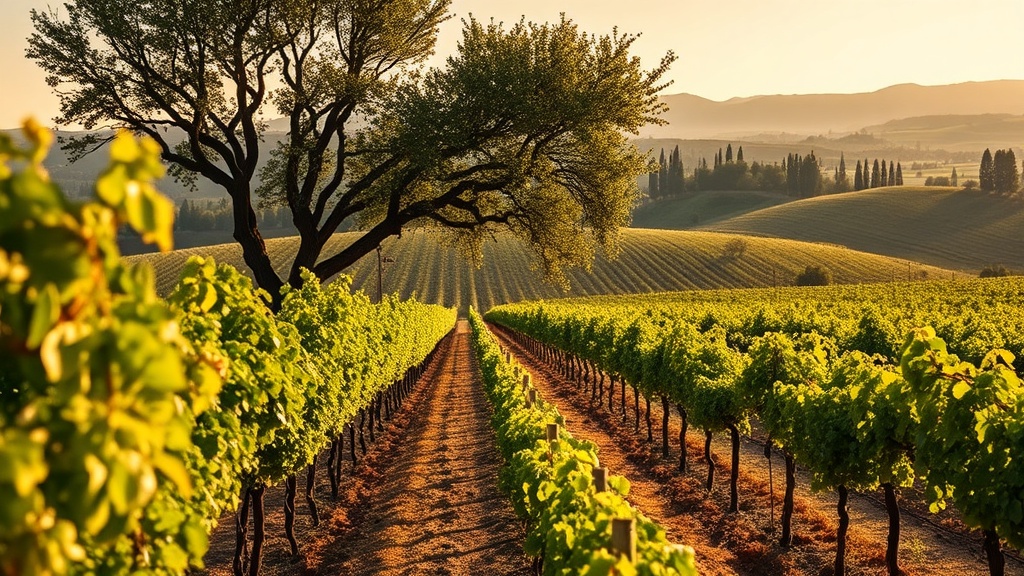
Finding Quietude Among the Tuscan Vineyards

A tourist stands in the middle of a crowded Piazza del Duomo in Florence, dodging scooters and shouting over the noise of a hundred different conversations, just to catch a glimpse of a gelato shop. They want the Tuscan experience, but all they're getting is a headache. This post looks at how to avoid that sensory overload by focusing on the quiet, rural side of Tuscany—specifically the Val d'Orcia and the Chianti Classico regions—to ensure your vacation actually feels like a vacation.
Most people approach Tuscany with a checklist of cities: Florence, Siena, Pisa. While those are great, the real magic happens when you leave the city limits and head toward the rolling hills. If you want to find actual peace, you need to plan around the seasonality of the harvest and the specific geography of the vineyards. It’s about finding that balance between seeing the sights and actually resting.
Where is the best place to stay for a quiet vineyard experience?
The Val d'Orcia region is the best place to stay if your primary goal is seclusion and stunning, untouched scenery. While many travelers flock to the more commercialized parts of Chianti, the Val d'Orcia offers a slower pace of life (and much better views for your photos). You’ll find high-end agriturismi—traditional farm stays—that allow you to wake up to nothing but the sound of the wind through the cypress trees.
If you're looking for something a bit more central but still tucked away, consider staying in a small hamlet near Pienza. It’s a bit more accessible than the deep countryside, but you still get that sense of isolation. I always recommend booking a property that includes a private terrace. You don't want to be sharing your morning espresso with fifty other tourists on a balcony.
Here is a quick breakdown of the two main vibes you'll encounter:
| Region | Primary Vibe | Best For |
|---|---|---|
| Val d'Orcia | Quiet, pastoral, and dreamy. | Slow travel and photography. |
| Chianti Classico | Lively, traditional, and social. | Wine enthusiasts and foodies. |
| Montalcino | Sophisticated and prestigious. | Serious Brunello lovers. |
Don't forget that the weather dictates your ability to enjoy these areas. In the height of summer, the heat can be punishing. I've seen travelers struggle because they didn't realize how much the midday sun actually affects the ability to walk through a vineyard. If you aren't careful, you'll spend more time looking for shade than actually enjoying the scenery.
How much does a luxury wine tour cost in Tuscany?
A private, high-end wine tour in Tuscany typically costs between €250 and €600 per person, depending on the level of customization and the exclusivity of the estates you visit. This price usually includes a professional driver, several tastings, and often a gourmet lunch at a specific estate. If you are looking at something more casual, like a group tour, you can find options for much less, but you lose that sense of "quietude" we're aiming for here.
When you're budgeting, keep a few things in mind:
- Private vs. Group: A private driver is a game-changer for anyone who wants to actually relax. You aren't tethered to a bus schedule or a group of twenty strangers.
- The "Hidden" Costs: Most tastings are included, but if you fall in love with a specific bottle of Brunello di Montalcino, you'll want to pay for shipping it home. Don't budget for the wine itself unless you're a collector.
- Dining: A nice lunch in the countryside can easily run you €70 per person.
I've found that spending a little extra on a private driver actually saves you a lot of stress. Trying to drive through the narrow, winding roads of the Tuscan hills after a few glasses of Sangiovese is a recipe for disaster—and it's illegal, obviously. It's much better to let a local handle the logistics of your wine tour so you can actually focus on the view. It's worth the extra investment for the peace of mind alone.
One thing to watch out for is the "tourist trap" estates. These are the places that look beautiful in brochures but feel like a factory. They are loud, crowded, and the service can feel a bit rushed. If you see a place that has a massive parking lot full of tour buses, keep driving. The best experiences are found at the smaller, family-run vineyards where the owner might actually come out to greet you.
When is the best time to visit the vineyards for peace and quiet?
The best time to visit for maximum quiet is during the shoulder seasons, specifically late spring (May) or early autumn (September/October). During these months, the weather is mild, the crowds are thinner, and the colors of the vines are at their most striking. You avoid the sweltering July heat and the chaotic August exodus of European vacationers.
Avoid the "Golden Hour" rush if you're looking for solitude. While everyone wants to be in the vineyard for that perfect sunset photo, that's also when the most people are out and about. If you want to be truly alone, go for a mid-morning stroll. The light is soft, the air is cool, and you'll likely have the entire hillside to yourself.
Here are a few things to consider for each season:
- Spring: Lush, green, and incredibly vibrant. Perfect for walking, but watch out for unpredictable rain showers.
- Summer: High energy, but very crowded. It's also the hottest time of year, so bring a hat and plenty of water.
- Autumn: The harvest season. It's busy with work in the vineyards, but the light is golden and the wine is flowing.
- Winter: Very quiet, but many smaller estates might be closed or have limited hours.
It’s also worth noting that many of these smaller estates are family-run. This means their schedules might revolve around the harvest or local festivals. If you're planning a trip, check the local calendar for your specific village. You don't want to arrive at a vineyard only to find it's closed for a local saint's day celebration (which happens more often than you'd think!).
If you're a person who appreciates the details, look into the official tourism resources for the specific province you're visiting. It can give you a better idea of local events and seasonal shifts that might affect your stay. Being prepared helps you avoid the common pitfalls of the "standard" tourist itinerary.
One final tip: don't try to do too much. The biggest mistake I see travelers make is trying to hit five different towns in three days. You'll spend all your time in the car and none of your time in the vineyard. Pick a home base, stay there for at least four or five nights, and let the landscape come to you. That is how you actually find the quietude you're looking for.
Whether you're looking for a deep dive into a specific vintage or just a place to sit and breathe, Tuscany has a way of rewarding the patient traveler. It's not about how many things you see; it's about how much you actually feel. And that usually requires a bit of a slower approach.