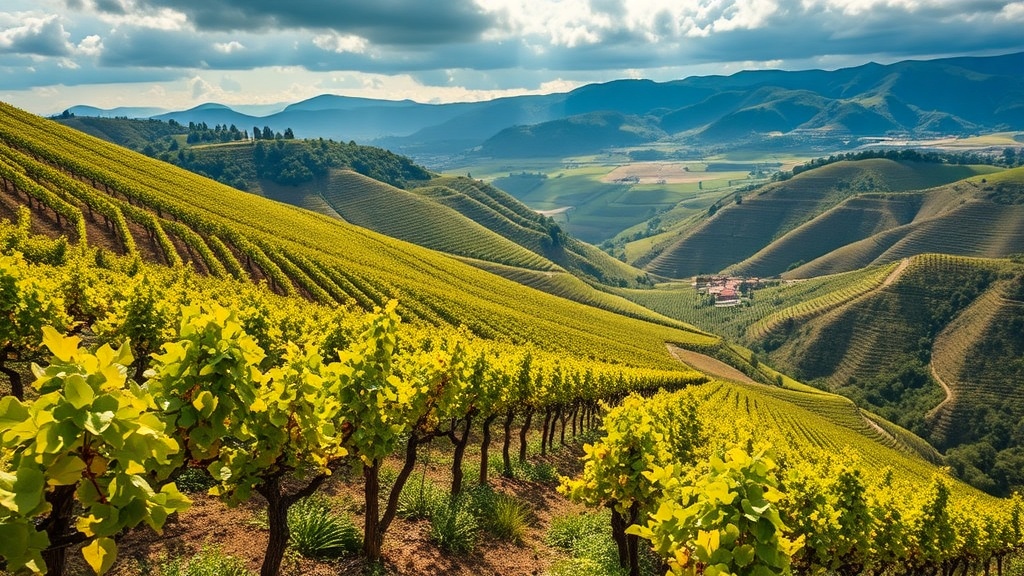
Hidden Vineyards of the Douro Valley

This guide details how to find and visit the smaller, less-crowded vineyards in the Douro Valley, focusing on logistics, seasonal timing, and specific estate recommendations. You'll find practical advice on transport, budget expectations, and how to bypass the heavy tourist traffic found in the main Porto hubs. I've focused on the "hidden" side of the region—the places where the winemakers actually live and work—rather than the big-name commercial tours.
What is the best time to visit the Douro Valley?
The best time to visit the Douro Valley is during the shoulder seasons of late spring (May/June) or early autumn (September/October) to avoid both the summer heat and the heaviest crowds. While summer offers plenty of sun, the temperatures in the valley can climb well above 40°C (104°F), which makes walking through terraced vineyards quite brutal. If you want to see the harvest in action, aim for September. It's a busy time, but the energy in the air is infectious.
I personally prefer late May. The vines are a vibrant green, the weather is manageable, and you aren't fighting for a seat at the local tascas. It's a perfect window if you're looking for quietude. Just keep in mind that some smaller estates might have limited hours during the off-season—don't assume everything is open in January.
If you're planning a trip, check the official tourism information for the Douro region to track local festivals. These often dictate how busy the roads will be.
Here's a quick breakdown of what to expect by season:
| Season | Weather Vibe | Crowd Level | Primary Activity |
|---|---|---|---|
| Spring | Mild & Fresh | Low | Greenery & Blooms |
| Summer | Intense Heat | High | River Cruises |
| Autumn | Warm Days | Moderate | Grape Harvest |
| Winter | Cool/Rainy | Very Low | Quiet Retreats |
How much does a wine tasting cost in the Douro?
Wine tasting prices in the Douro Valley typically range from €15 to €50 per person depending on whether you are doing a basic tasting or a full food pairing. Most small, family-run quintas (estates) offer a much more affordable entry point than the high-end commercial operations. You might find a simple tasting of two port styles for €20, while a seated lunch with three courses and vintage ports will easily hit the €60 mark.
Don't feel pressured to buy a bottle just because you had a great tasting. It's a common way to support the small producers, but it's certainly not mandatory. That said, if you find a bottle you love, the shipping costs to Canada or the US can be a headache. I usually buy a few bottles to enjoy during my trip and leave the heavy lifting to the professionals back home.
A quick tip for your budget: many of the smaller estates don't take credit cards for small tasting fees. Always carry some Euro cash—even if you're a frequent card user—to avoid any awkwardness at the end of a lovely afternoon.
When looking for high-quality, authentic products, look for the Official Port Wine seal. It's a guarantee of quality and origin. It's not just a label; it's a standard.
Where are the best hidden vineyards to visit?
The best hidden vineyards are found in the sub-regions of Cima Corgo and Douro Superior, away from the primary boat landing docks. While everyone else is crowding the riverfront in Pinhão, you should head slightly uphill toward the higher elevations. The views are better, and the air is much cooler.
I've spent a fair amount of time looking for places that haven't been "Instagram-ified" yet. Here are three types of experiences you should look for:
- Family-run Quintas: These are often small, one-generation businesses. You'll likely meet the owner, and the conversation is often more interesting than the wine itself.
- High-Altitude Estates: These vineyards focus on different soil compositions and often produce more complex, structured wines.
- River-Adjacent Small Holds: These are tiny plots that aren't part of the massive commercial estates. They are harder to find, but the intimacy is worth it.
One of my favorite spots was a tiny estate near Peso da Régua. It wasn't flashy. There was no grand lobby or polished marble. It was just a stone house, a few old oak barrels, and a person who knew exactly how the soil felt between their fingers. That's the kind of thing you can't find in a brochure.
If you want to do a bit of reading on the geological history of these areas—which helps you understand why the wine tastes the way it does—the Wikipedia page on the Douro Valley is a surprisingly decent starting point for basic topography. It's not a travel guide, but it provides the context you need.
One thing to watch out for: driving in the Douro is not for the faint of heart. The roads are narrow, winding, and often quite steep. If you aren't comfortable with a manual transmission or tight turns, please consider hiring a local driver or joining a small-group tour. It's much more relaxing than white-knuckling a steering wheel through a hairpin turn.
It's also worth noting that many of these smaller producers don't have a digital footprint. You won't find them on a standard booking app. You have to find them through local word-of-mouth or by simply driving around and looking for signs. It takes a bit more effort, but the payoff is a much more authentic experience.
If you're looking for a way to get around, a rental car is your best bet. Taxis are available, but they can be expensive and hard to hail in the more remote areas. Just make sure your rental car is up to the task of climbing those hills.
The Douro is a place of extremes. It's beautiful, it's rugged, and it's unapologetic. If you go in expecting a polished, luxury experience, you might be disappointed. But if you go looking for something real, you'll find it in every glass.