How to Plan the Perfect Wine Country Getaway (Without Wasting Time or Money)

Why Most Wine Country Trips Disappoint
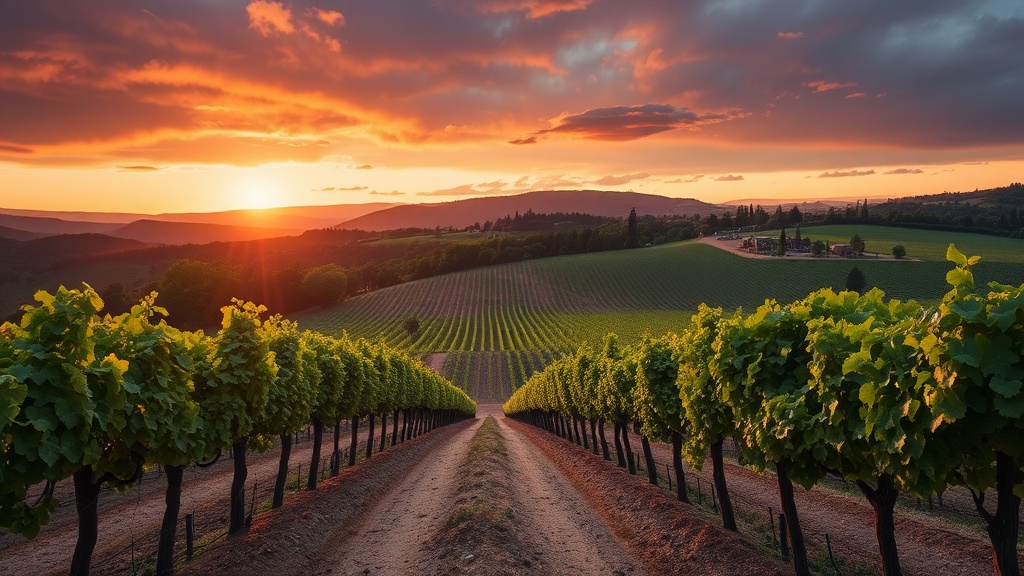
Wine country sounds idyllic—rolling vineyards, long lunches, and that slow, golden-hour glow. The reality is often rushed schedules, overpriced tastings, and too many mediocre stops packed into one day. Most people approach wine country like a checklist. That’s the mistake.
A good wine country trip isn’t about volume. It’s about pacing, curation, and knowing where not to go just as much as where to go.
Choose the Right Region (This Matters More Than You Think)
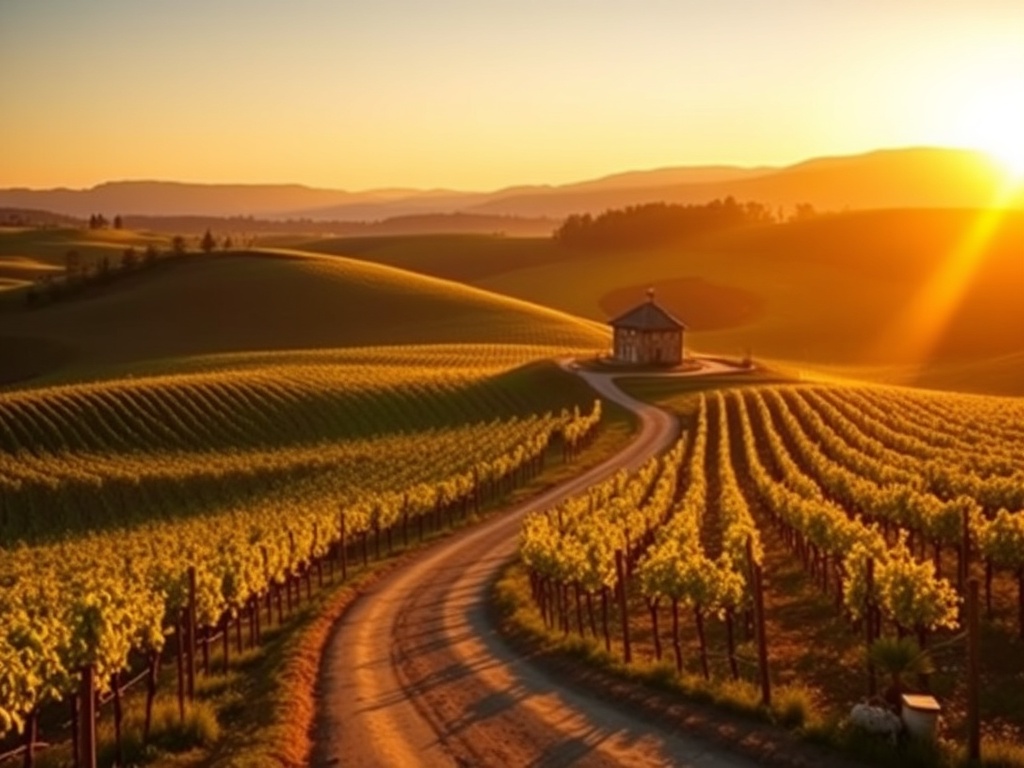
Not all wine regions deliver the same experience. Napa feels polished and expensive. Sonoma is more relaxed. Okanagan Valley offers incredible value with fewer crowds. Tuscany leans into scenery and food as much as wine.
If this is your first trip, pick a region that matches your pace—not your Instagram feed.
- For luxury: Napa Valley
- For balance: Sonoma or Willamette Valley
- For underrated value: Okanagan Valley
- For culture-first trips: Tuscany or Bordeaux
The wrong region can turn a relaxing weekend into a logistical headache.
Build a Smart Itinerary (2–4 Wineries Per Day, Max)
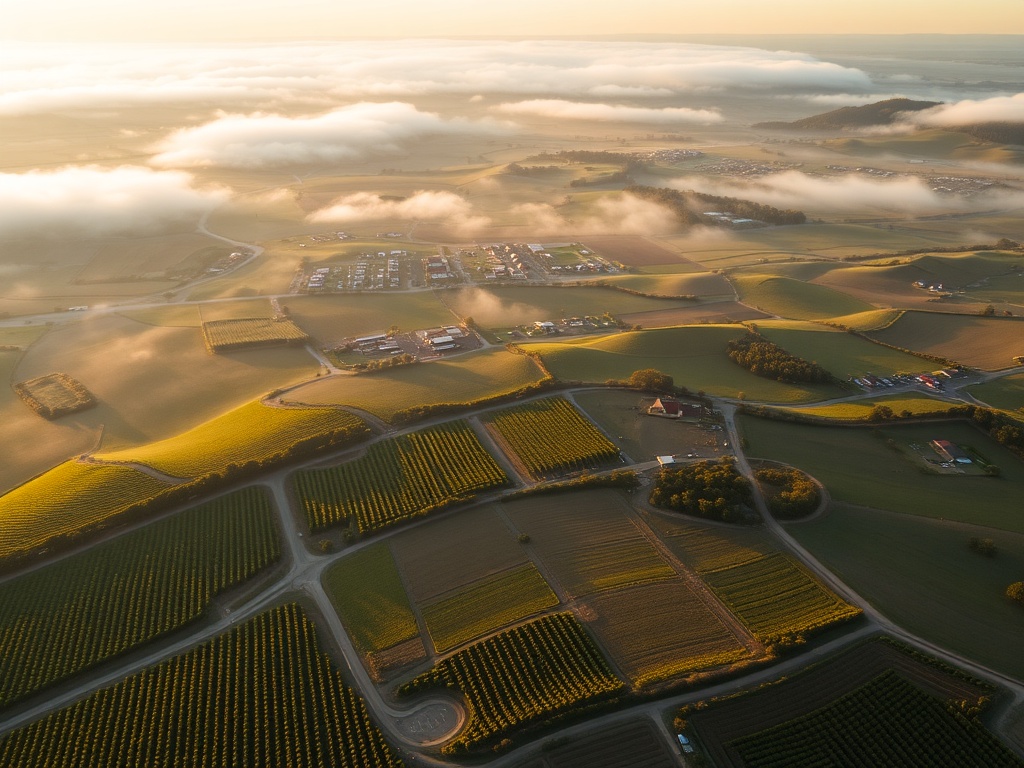
This is where most people overdo it. Four wineries is the upper limit if you want to actually enjoy yourself. Two or three is ideal.
Each visit takes longer than you think: driving, parking, tasting, talking, maybe buying bottles. Stack too many stops and you’ll rush through all of them.
A better approach:
- Morning: one relaxed tasting
- Lunch: long and unhurried
- Afternoon: one or two curated visits
- Evening: dinner, no more wineries
That rhythm is what separates a memorable trip from a tiring one.
Book Tastings in Advance (Especially Now)
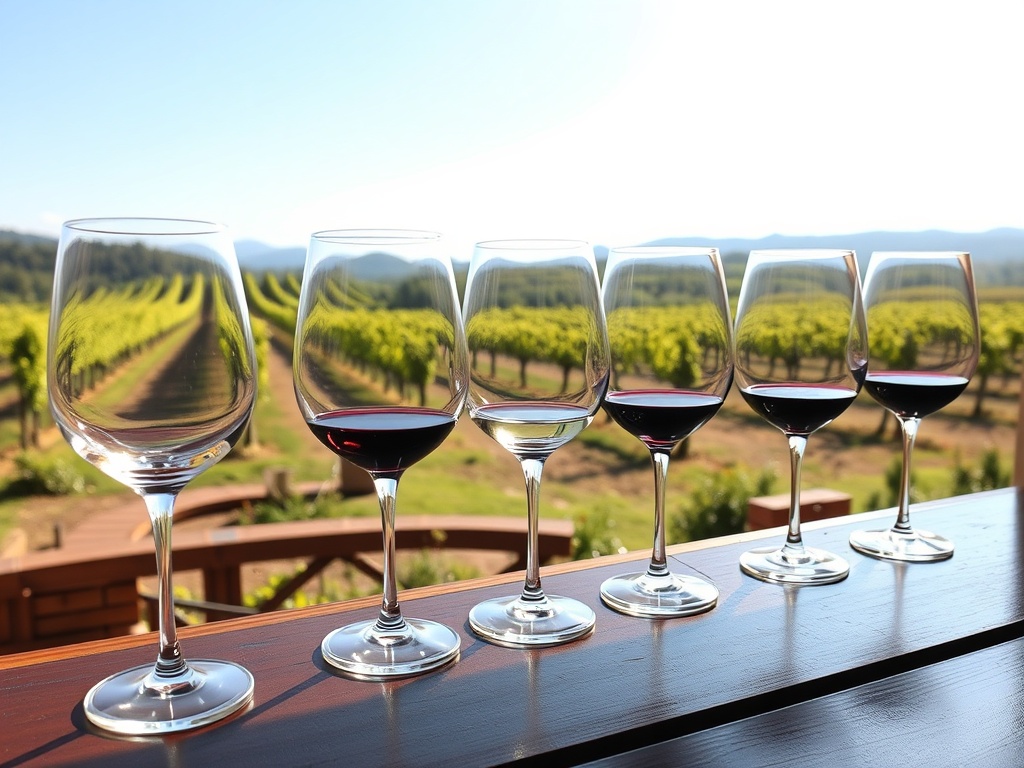
Walk-ins are increasingly rare, especially at well-known wineries. Booking ahead isn’t optional anymore—it’s the baseline.
But don’t just book randomly. Mix experiences:
- One flagship winery (for the classic experience)
- One smaller producer (for conversation and depth)
- Optional: one experimental or niche stop
This gives your trip variety instead of repetition.
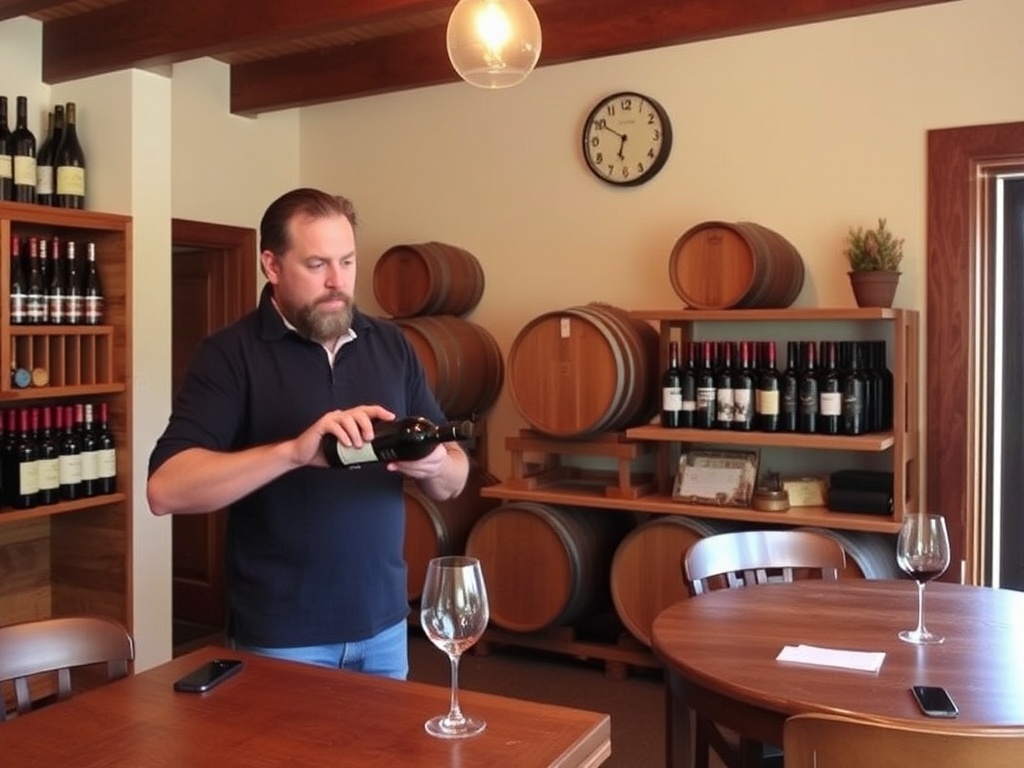
Where You Stay Changes Everything
Staying in the middle of wine country sounds convenient, but it often isolates you. Staying in a nearby town gives you restaurants, walkability, and options at night.
Look for:
- Small inns or boutique hotels over large resorts
- Locations within 15–25 minutes of wineries
- Easy access to dinner spots
You’ll spend less time driving in the evening and more time actually enjoying the trip.
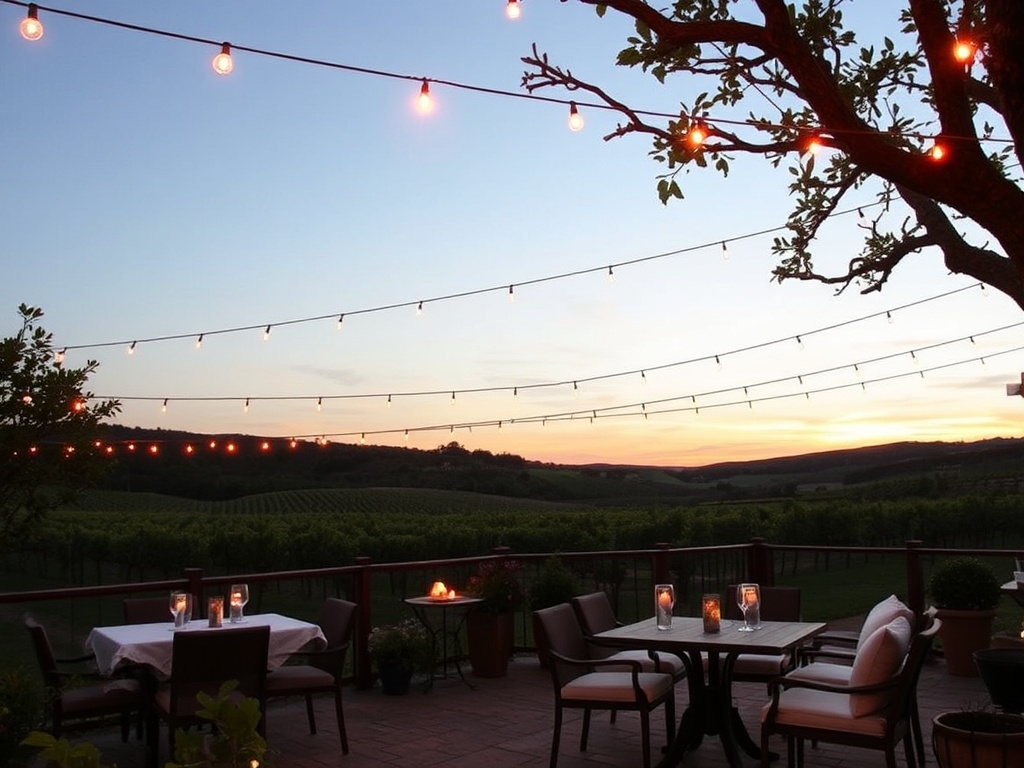
Transportation: Don’t Wing It
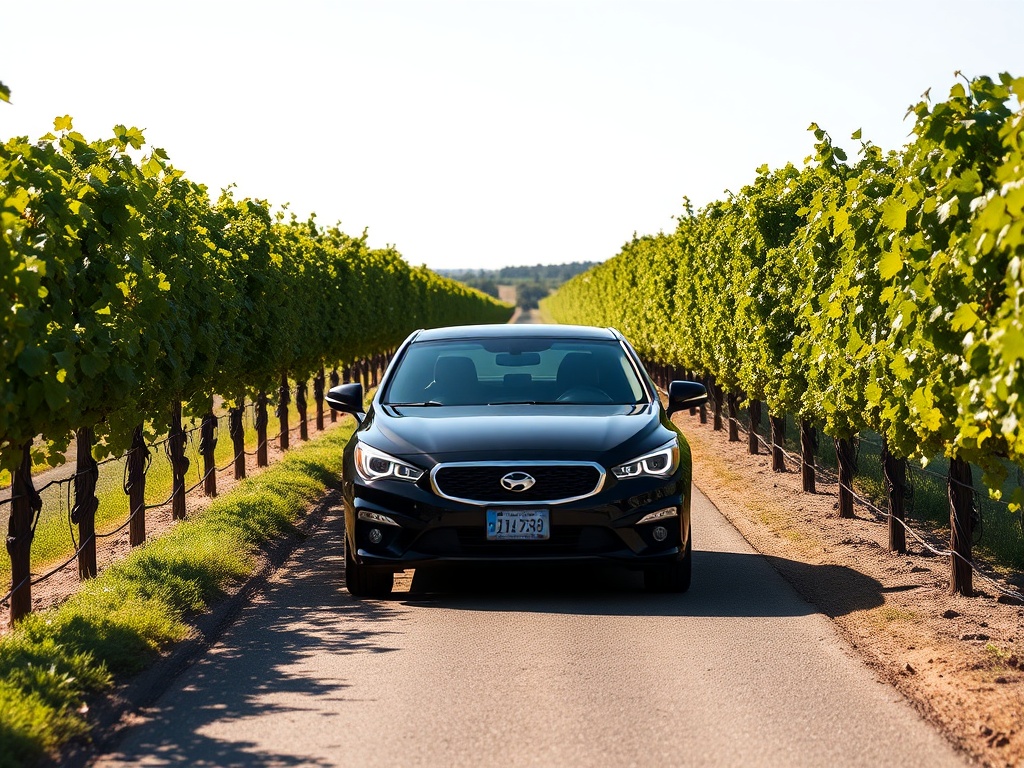
Driving yourself sounds easy until the second tasting. After that, it’s a bad idea.
Your options:
- Private driver: Best overall experience
- Wine tour companies: Good for first-timers
- Designated driver: Works, but limits flexibility
A driver isn’t just about safety—it removes friction from the entire day.
Food Is Half the Experience
Wine without good food gets repetitive quickly. Plan your meals with the same care as your tastings.
Prioritize:
- One standout lunch reservation
- One memorable dinner (not rushed)
- Casual backup options
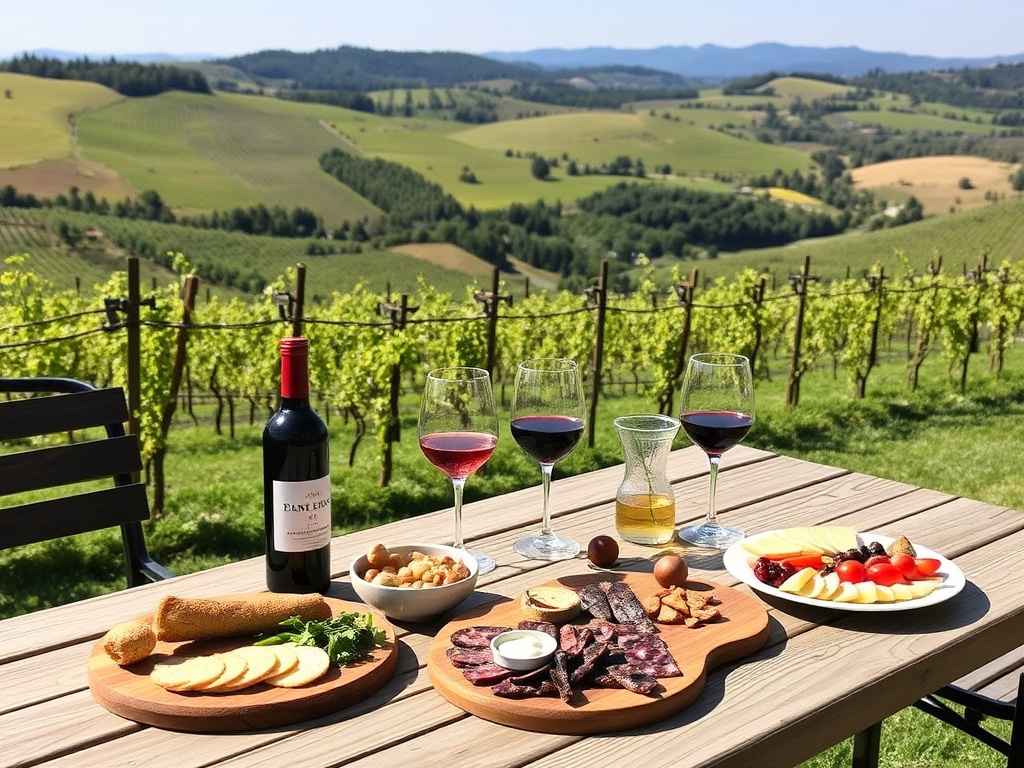
Long lunches overlooking vineyards are often the highlight of the entire trip.
Know How Tastings Actually Work
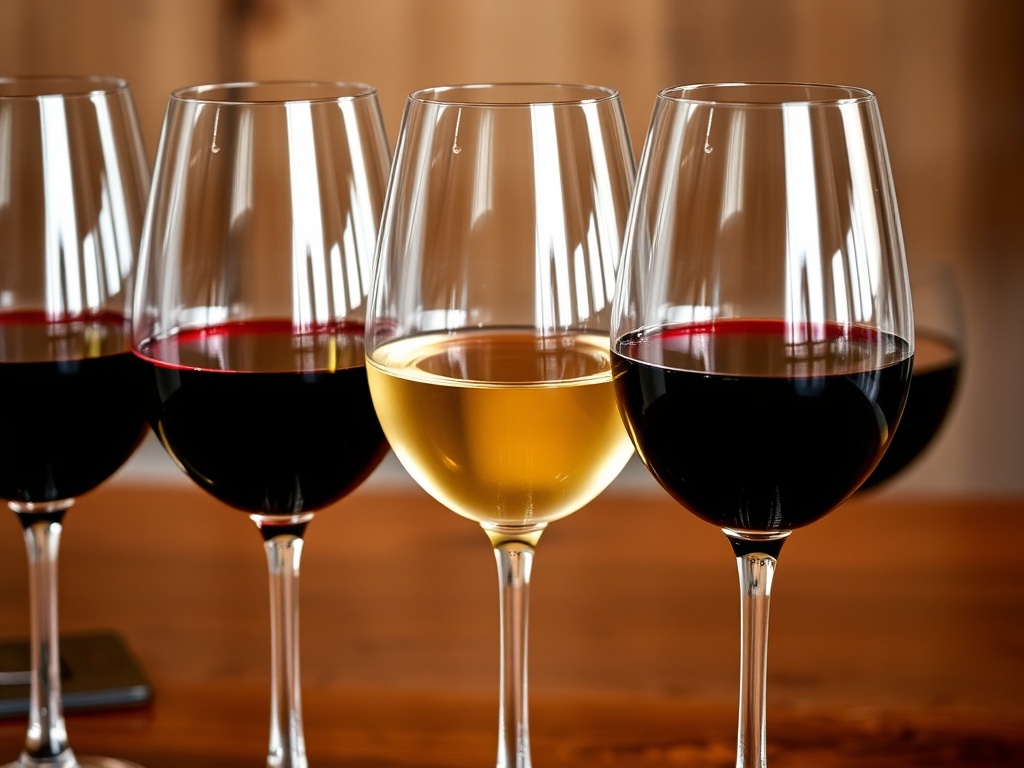
If you’ve never done structured tastings, here’s the reality: you don’t need to finish every glass. You’re there to taste, not drink everything poured.
Use the spit bucket. Ask questions. Slow down.
You’ll enjoy the experience more—and remember it.
Budgeting Without Killing the Experience
Wine country can get expensive fast, but you don’t need to cut corners everywhere.
Where to spend:
- One premium tasting
- Accommodation
- One great meal
Where to save:
- Skip souvenir-heavy wineries
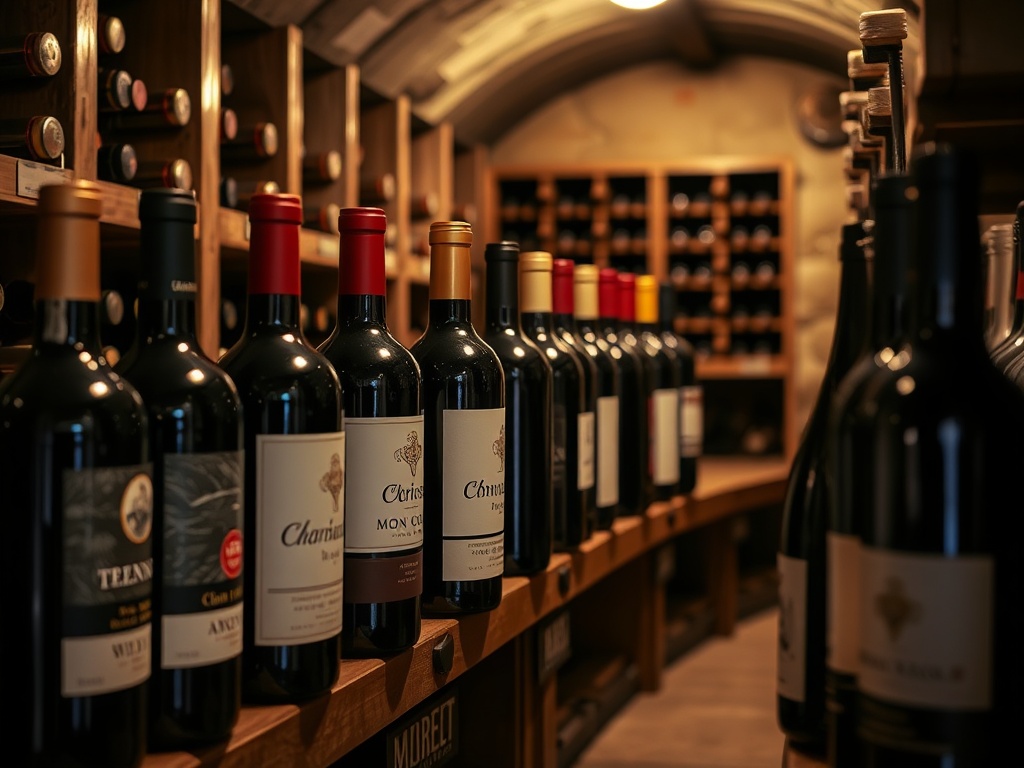
- Limit bottle purchases until the end
- Choose lesser-known producers
It’s about selective splurging, not total restraint.
Timing Your Visit (Season Matters)
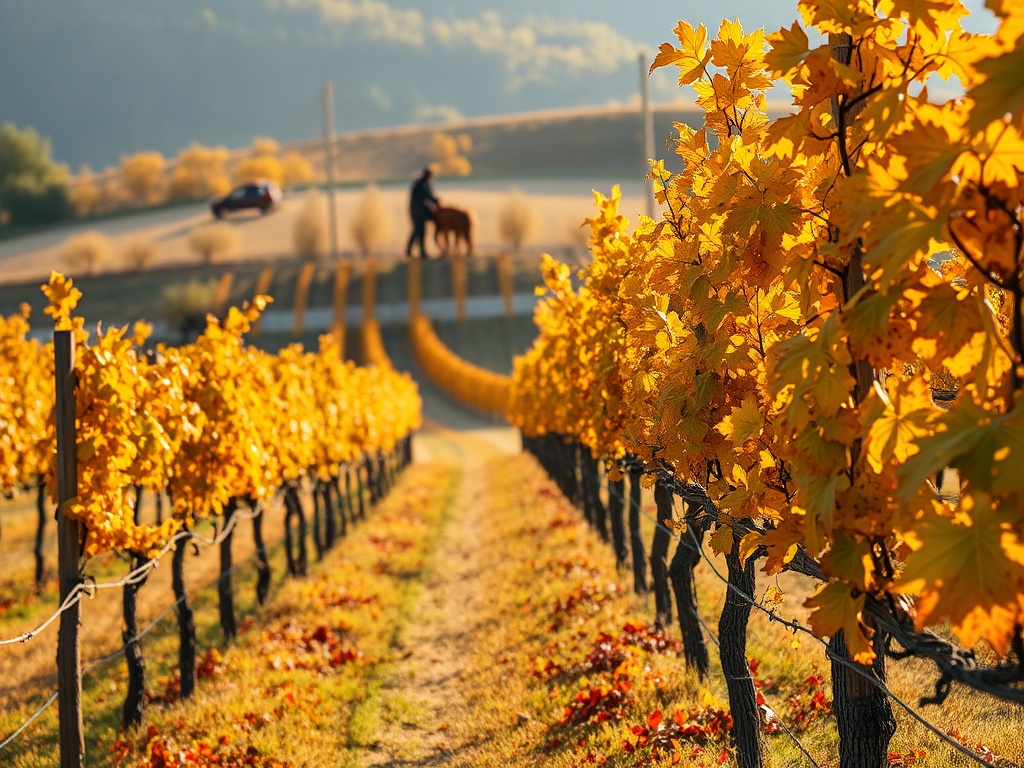
Harvest season (late summer to early fall) is the most exciting—and the most crowded. Spring offers greenery and fewer tourists. Winter is quieter, cheaper, and surprisingly enjoyable if you don’t mind cooler weather.
If you want the best balance, aim for shoulder season.
What to Bring (Most People Overpack the Wrong Things)
Keep it simple:
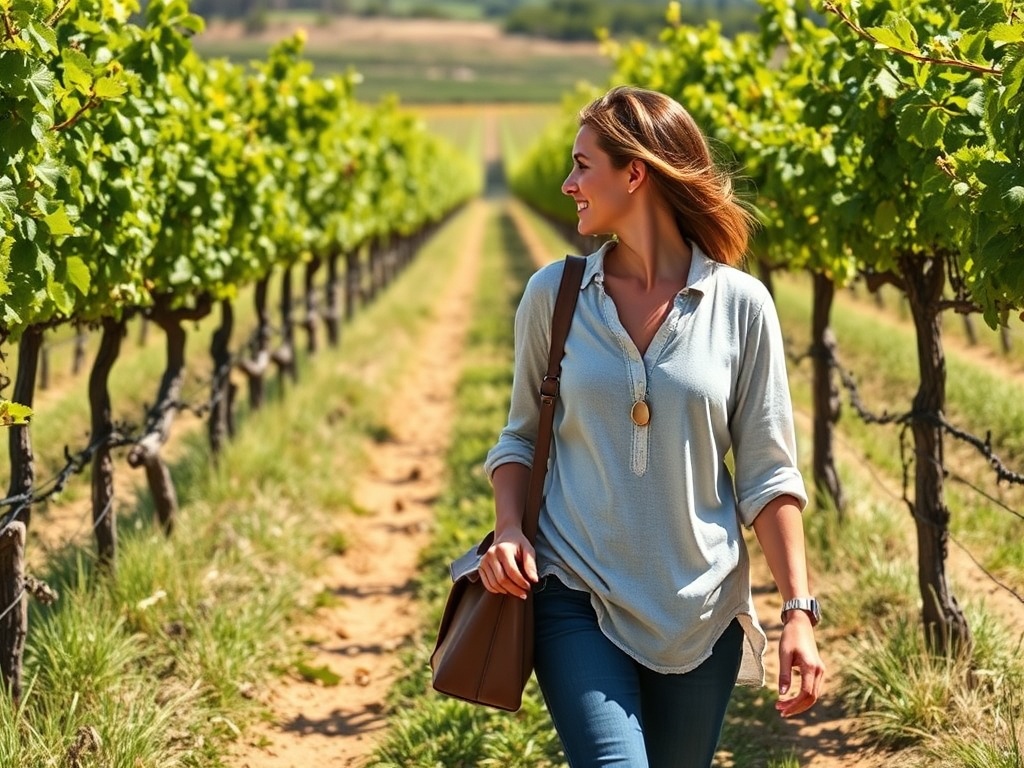
- Comfortable shoes (you’ll walk more than expected)
- Layers (temperature swings are real)
- A small bag for essentials
Skip the heavy luggage. Wine country is casual, even at high-end wineries.
Final Thoughts: Slow Down or Don’t Go
The best wine country trips aren’t packed—they’re intentional. If your itinerary feels busy, it is. Cut something.
You’re not there to check boxes. You’re there to sit longer, taste slower, and actually notice where you are.
That’s the difference between a trip you forget and one you talk about for years.