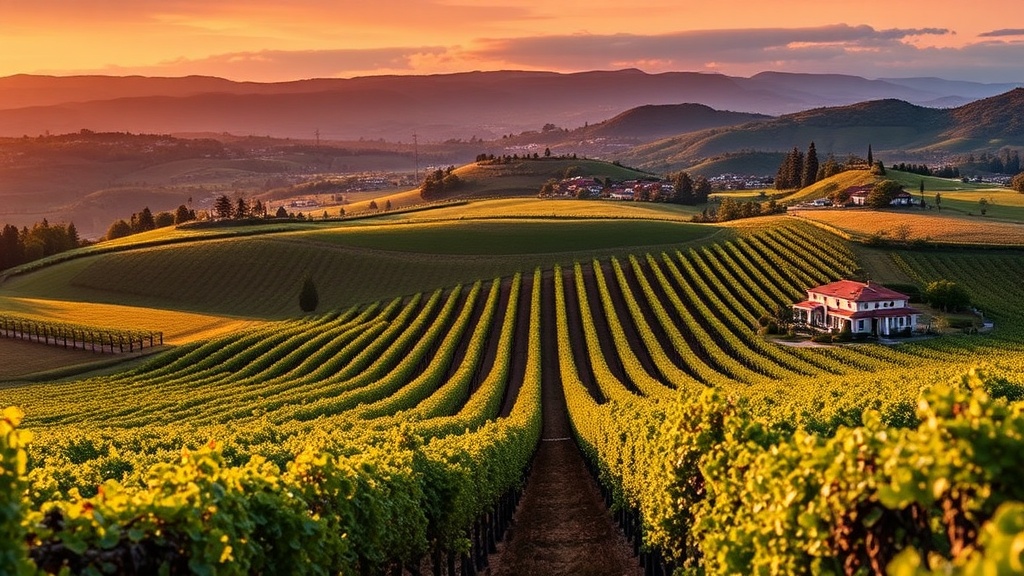
Napa Valley Uncorked: A Complete Guide to Wine Country Bliss

This guide covers everything needed to plan a memorable Napa Valley getaway — from the best times to visit and top wineries worth the splurge, to where to stay without blowing the budget and how to taste like a pro. Whether it's a first-time trip or a return visit looking for fresh angles, these practical insights will help craft an itinerary that hits all the right notes.
What's the Best Time to Visit Napa Valley?
The sweet spots are September through October (harvest season) and March through May (bud break and flowering). Harvest brings energy — crush pads buzzing, grapes rolling in, the whole valley smelling like fermentation. That said, it's also the busiest and priciest window. Hotel rates spike, tasting reservations book out weeks ahead, and traffic on Highway 29 crawls.
Spring offers a different charm. Wildflowers dot the hillsides, crowds thin out, and you'll often find better lodging deals. The weather stays mild — mid-60s to low 70s — perfect for outdoor tastings. Summer works too, though August afternoons can push 90°F, and some wineries limit outdoor seating.
Winter (November through February) is the secret weapon for budget travelers. Yes, it's rainy and some estates close for renovations. But the wineries that stay open? They're often staffed by the owners themselves. Tasting fees drop, restaurant reservations ease up, and the valley feels intimate — fog rolling through the vineyards at dawn, fireplaces crackling in tasting rooms. Worth noting: January and February bring mustard season, when brilliant yellow blooms carpet the valley floor.
Which Wineries Should Be on Your Must-Visit List?
The valley packs over 400 wineries into a 30-mile stretch. You can't — and shouldn't — try to hit them all. Quality beats quantity every time.
Here's the thing: Napa splits into distinct sub-regions, each with its own personality. The southern end (American Canyon and Napa town) feels more casual and accessible. Moving north through Yountville, Oakville, Rutherford, and St. Helena, the experience shifts — more exclusive, more expensive, often requiring reservations months out.
For iconic Cabernet Sauvignon, Opus One in Oakville delivers architecture as stunning as the wine. The $75 tasting fee isn't trivial, but the experience — that dramatic limestone-and-redwood winery rising from the valley — justifies it for many visitors. Book 60 days ahead. Opus One Winery
Chardonnay lovers shouldn't miss Far Niente in Oakville. The historic stone cave, the restored 1880s winery, the classic Napa elegance — it's old-school luxury done right. Tastings run $75 and include their Nickel & Nickel single-vineyard offerings.
For a more relaxed, family-owned vibe, Tres Sabores in Rutherford sits on a beautiful ranch with organic vineyards and a welcoming dog named Zeus. The $50 estate tasting happens in a converted barn with views of the Mayacamas Mountains. No pretension, just solid Zinfandel and honest conversation.
Sparkling wine enthusiasts should carve out time for Domaine Carneros. The château-style estate offers seated tastings on a terrace overlooking rolling vineyards. The brut and rosé sparklers rival Champagne, and the caviar pairings — while pricey — hit different on a sunny afternoon.
| Winery | Location | Specialty | Tasting Fee | Reservation Required? |
|---|---|---|---|---|
| Opus One | Oakville | Cabernet Sauvignon | $75 | Yes — 60 days ahead |
| Far Niente | Oakville | Chardonnay | $75 | Yes |
| Tres Sabores | Rutherford | Zinfandel | $50 | Recommended |
| Domaine Carneros | Los Carneros | Sparkling Wine | $40-$95 | Yes for seated tastings |
| Robert Mondavi | Oakville | Cabernet, Fumé Blanc | $40-$125 | Yes for tours |
| Schramsberg | Calistoga | Sparkling Wine | $75 | Yes — book early |
Where Should You Stay Without Overspending?
Accommodation costs represent the biggest budget shock for most Napa visitors. Peak-season rates at luxury properties like Auberge du Soleil or Meadowood easily top $1,500 per night. But options exist at every price point — you just need to know where to look.
Napa Town offers the most variety. The Westin Verasa and Embassy Suites provide solid mid-range choices walking distance to downtown restaurants. Rates hover around $300-$450 nightly depending on season. The catch? You're not surrounded by vineyards. You're in a town. But the trade-off works for visitors prioritizing dining and nightlife over waking up to grapevines.
Calistoga at the northern end tends to run cheaper than the central valley towns. The Roman Spa Hot Springs Resort offers mineral pools and reasonable rates (often under $250 midweek). The town itself feels more relaxed — less sceney than St. Helena, more authentic somehow.
For something unique, consider the Cottages of Napa Valley — private bungalows with breakfast delivery, bicycles included, and a location that puts you minutes from downtown without the hotel hustle. Or look into Airbnb options in the valley — entire homes in the hills often cost less than single hotel rooms, especially for groups.
Budget travelers should check Napa Valley Lodge in Yountville. It's not fancy, but it's clean, well-located, and typically runs $200-$300 — a steal by Napa standards. The complimentary breakfast and pool don't hurt either.
How Do You Taste Wine Like a Local?
First-timers often feel intimidated — swirling technique, tasting notes, whether to spit or swallow. Here's the reality: nobody cares how you taste. The pros do what works for them, and you should too.
That said, a few conventions help you get more from each pour:
- Look before you sip. Tilt the glass against a white background. Color tells you things — deeper reds suggest age or intensity, pale whites might mean stainless steel aging versus oak.
- Swirl gently. No need for dramatic wrist action that splashes wine on your neighbor. A small circle releases aromas.
- Smell before tasting. Your nose detects thousands more compounds than your tongue. Give it a moment.
- Spitting is professional, not rude. Every tasting room provides dump buckets for a reason. If you're hitting three or four stops in a day, spitting keeps you sharp (and safe to drive).
The best question to ask your host? "What makes this wine different from your neighbors?" It invites stories — about soil, farming choices, family history — and you'll learn more than any technical tasting note.
Worth noting: tipping isn't expected at wineries. If someone goes above and beyond, sure — but don't feel obligated. The 20% service charge many restaurants add? That doesn't apply in tasting rooms.
Where Should You Eat Between Tastings?
Napa's food scene rivals its wine reputation. The valley holds more Michelin stars per capita than almost anywhere in America — but you don't need a star-rated budget to eat well.
Must-try splurges:
- The French Laundry (Yountville) — Thomas Keller's legendary temple of fine dining. The nine-course tasting menu runs $350+ with wine pairings pushing $600+. Book exactly 60 days out at 10 AM Pacific. Most people don't get a table on the first try.
- SingleThread (Healdsburg — technically Sonoma, but close enough) — Three Michelin stars, Japanese-influenced California cuisine, and an experience that's equal parts meal and theater.
More accessible standouts:
- Bouchon Bistro (Yountville) — Keller's French brasserie. The roasted chicken and oysters are stellar, and you might actually get a table without planning two months ahead. Dinner runs $80-$100 per person with wine.
- Gotts Roadside (St. Helena, Napa) — The best burger in the valley, period. The ahi tuna tacos and garlic fries have cult followings. Expect to wait in line, but it moves fast. Under $20 per person.
- Oakville Grocery — Historic market perfect for picnic supplies. Grab sandwiches, cheese, and a bottle (yes, they sell wine) to enjoy at nearby parks or winery grounds.
For breakfast — crucial fuel before a day of tasting — Bouchon Bakery serves pastries that'll ruin your local bakery for you. The kouign-amann and macarons are worth the line.
How Do You Get Around Responsibly?
Drinking and driving laws in California are strict — and enforced. A DUI will ruin your vacation and follow you home. Don't risk it.
Options abound:
- Designated driver services — Companies like Napa Valley Driving Tours provide professional drivers who use your rental car. You get the flexibility of your own vehicle without the liability. Full-day rates run $800-$1,200 depending on the itinerary.
- Private car services — Uber Black and traditional limos work, though cell service gets spotty in the hills. Pre-booking beats waiting 45 minutes for a ride that may never come.
- Group wine tours — More economical for solo travelers or couples. You'll share a van with strangers and follow a set route. Less flexibility, but no planning required. Expect $150-$250 per person for a full day.
- Bike rentals — Flat terrain and beautiful scenery make cycling appealing — in theory. The catch? After three tastings, balancing on two wheels feels adventurous. Stick to shorter routes if you choose this path.
If you do drive yourself (maybe just one tasting stop or a dinner outing), hydrate aggressively and eat substantial food. The altitude — combined with alcohol — hits harder than expected.
"Napa isn't about checking boxes. It's about finding your own rhythm — lingering at a small producer, stumbling upon a perfect sunset view, discovering a wine that makes you pause mid-sip. The best trips leave room for spontaneity."
What Should You Pack?
Napa style walks a line between casual and polished. Shorts and flip-flops work at laid-back tasting rooms, but many estates enforce "smart casual" dress codes — especially seated experiences. When in doubt, check the winery's website.
The temperature swings dramatically. Morning fog keeps things cool (bring a jacket), afternoons warm up, and evenings can drop fast once the sun sets behind the Mayacamas. Layers save the day.
Sunscreen is non-negotiable. That California sun reflecting off vineyard rows burns faster than you'd expect. Comfortable shoes matter too — you'll walk more than anticipated, often on gravel or grass between tasting areas.
Finally, leave room in your luggage. Most visitors buy at least a few bottles, and shipping wine home (while convenient) costs roughly $30-$50 per case plus potential weather holds during hot months.
Final Tips for a Seamless Trip
Book restaurant reservations at the same time as winery appointments — both require advance planning, especially for popular spots. Download offline maps; cell service dies in the hills. Bring a cooler in the car for wine purchases — heat damages bottles fast.
Start with lighter wines and work toward heavier reds. Your palate tires quickly — beginning with that massive Cabernet means missing subtle notes in the Pinot Noir that follows. Ask questions, take photos, and remember that the person pouring likely loves talking about this stuff.
Most importantly, pace yourself. Three or four stops in a day sounds reasonable. It's not. Two quality experiences beat four rushed ones every time. The wineries aren't going anywhere. There's always next trip.