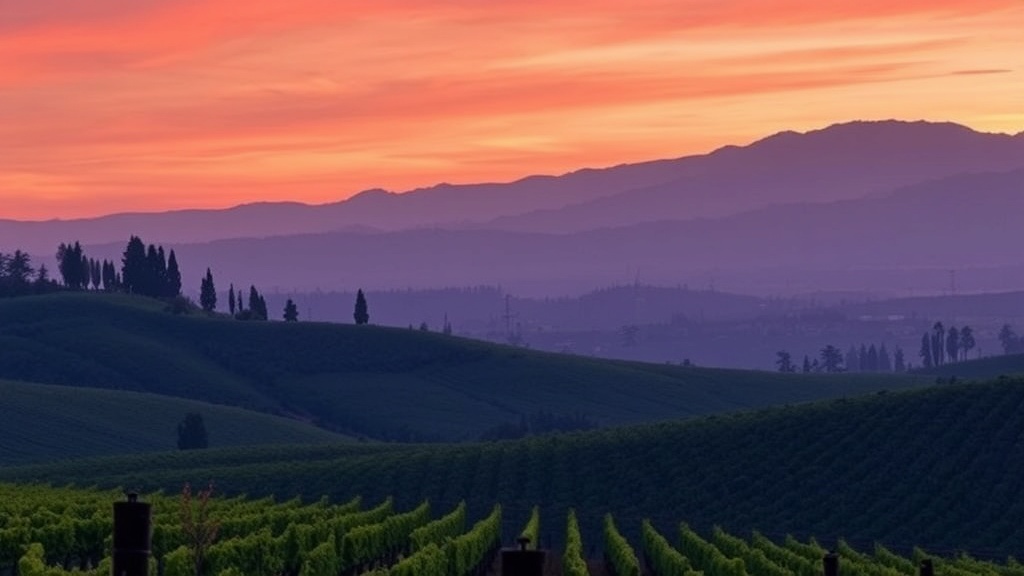
Napa Valley Uncorked: Your Ultimate Wine Country Getaway Guide

This guide breaks down everything needed to plan a memorable Napa Valley trip—where to stay, which wineries deserve the stop, how to get around without a headache, and where to eat when wine tasting works up an appetite. You'll find honest recommendations, real prices, and practical tips from someone who's spent time exploring every corner of this famous wine region.
When Is the Best Time to Visit Napa Valley?
The fall harvest season—September through October—delivers the classic Napa experience with golden vineyards, bustling crush activity, and perfect weather hovering around 75°F. That said, everyone else knows this too. Hotel rates spike, restaurant reservations vanish, and traffic crawls along Highway 29.
Here's the thing: spring (March through May) offers its own magic. Wildflowers explode across the valley floor, crowds remain manageable, and tasting rooms actually have time to talk with visitors. Winter brings the lowest prices—sometimes 40% off peak rates—and fog-draped mornings that photographers chase. Summer works fine, though valley temperatures can hit 90°F and the experience feels more tourist-heavy.
Worth noting: January and February mark Cabernet Season, when restaurants roll out special menus designed around bold red wines. It's the locals' favorite time to explore their own backyard.
How Much Should You Budget for a Napa Valley Trip?
A three-day weekend for two people typically runs $2,500 to $4,500 depending on accommodation choices and dining priorities. Napa isn't cheap—there's no way around that—but strategic planning stretches dollars further than most visitors expect.
Tasting fees have exploded in recent years. Premium experiences at established wineries like Opus One or Castello di Amorosa can cost $75-$125 per person. The catch? Many smaller producers still charge $25-$40 and pour wines made by the same winemakers who learned their craft at those famous estates.
| Category | Budget Option | Mid-Range | Splurge |
|---|---|---|---|
| Hotel (per night) | Motel 6 Napa $120 | Andaz Napa $350 | Meadowood $1,200+ |
| Tasting (per person) | Cline Cellars $25 | Silver Oak $60 | Screaming Eagle (members only) |
| Dinner for two | Model Bakery $40 | Cindy's Back Street Kitchen $140 | The French Laundry $700+ |
| Transportation | DDP bus pass $3 | Uber/Lyft $80/day | Private driver $600/day |
Many wineries waive tasting fees with bottle purchases—usually two bottles. Do the math before dismissing that $45 tasting as expensive.
Which Wineries Should Be on Your Must-Visit List?
The answer depends entirely on wine preferences and what kind of experience resonates. Napa spans roughly 30 miles north to south, and driving from one end to the other burns an hour each way—time better spent drinking wine than staring at taillights.
Iconic Estates Worth the Hype
Robert Mondavi Winery in Oakville essentially created modern Napa tourism. The signature tour runs $60 and covers the valley's history alongside barrel samples. It's touristy, sure, but the architecture and gardens justify a stop—even for jaded visitors.
Domaine Carneros delivers that champagne dreams aesthetic with its French-inspired château and sparkling wine focus. The terrace tasting ($45) pairs bubbles with cheese plates while overlooking rolling vineyards. Instagrammers rejoice.
Stag's Leap Wine Cellars (the one with the apostrophe—there's drama between them and Stags' Leap) changed wine history when its 1973 Cabernet beat top Bordeaux in the 1976 Judgment of Paris. The tour costs $50 and walks through that story while pouring current releases.
Hidden Gems the Crowds Miss
Larkmead Vineyards off Silverado Trail requires appointments but rewards visitors with intimate tastings ($75) poured by staff who actually make the wine. The Cabernet Sauvignon here competes with bottles costing triple the price.
Tres Sabores sits at the end of a dirt road in Rutherford, offering Zinfandel-focused tastings ($40) among organic gardens and roaming chickens. It's weird, wonderful, and completely unpretentious—rare qualities in modern Napa.
Elizabeth Spencer operates from a charming courtyard in Rutherford with $35 tastings and consistently excellent Sauvignon Blanc. The owner often pours herself, sharing stories about running a small family operation among corporate giants.
Where Should You Stay in Napa Valley?
Location matters more than amenities. Staying in Yountville puts visitors within walking distance of Thomas Keller's restaurant empire and dozens of tasting rooms—no designated driver required. St. Helena offers more charm and slightly lower prices with easy highway access. Napa city itself provides the most affordable options but requires driving everywhere.
For something different, consider Calistoga at the valley's northern end. The town leans funky rather than polished, with natural hot springs, mud baths, and fewer tour buses clogging the streets. The Indian Springs Resort features a massive mineral pool heated to 102°F year-round—perfect for soaking after a day of tasting.
Vacation rentals through Airbnb or VRBO work well for groups, though Napa County enforces strict short-term rental regulations. Verify the property has proper permits before booking—unlicensed rentals face shutdown with zero refund.
How Do You Get Around Napa Valley Safely?
Don't drink and drive. Full stop. California's DUI laws are strict, enforcement is aggressive, and the wine pours generously.
The Napa Valley Wine Train offers a unique solution—a scenic rail journey with multi-course meals and winery stops built into the itinerary. The "Quattro Vino" package ($230) includes four tastings and lunch while rolling past vineyards no road reaches. It's touristy, admittedly, but genuinely enjoyable.
Rideshare services operate throughout the valley, though waits stretch long during peak season—sometimes 45 minutes outside St. Helena. Download both Uber and Lyft; service varies by location.
Designated driver services like Beau Wine Tours or Napa Valley Wine Country Tours provide vehicles and drivers familiar with back roads and hidden entrances. Expect $600-$800 for a full day with a sedan. Split among four people, the cost rivals multiple Uber rides with none of the waiting.
Cycling enthusiasts swear by Napa Valley Bike Tours, which provides electric bikes and self-guided routes connecting tasting rooms. The ride from Yountville to Oakville covers flat terrain perfect for slightly buzzed pedaling—though serious cyclists complete the full valley traverse.
Where Should You Eat Between Tastings?
Napa's food scene rivals its wine reputation. The catch? Reservations disappear weeks ahead at acclaimed spots, and walk-in waits often exceed two hours.
The French Laundry remains the white whale—$350 per person before wine, reservations released two months out at exactly 10 a.m. PST. Most visitors won't snag a table. Instead, try Bouchon Bistro (same chef, approachable French fare, $40 entrees) or Ad Hoc (family-style comfort food, $65 prix fixe).
For lunch between tastings, Oakville Grocery has supplied picnickers since 1881. Grab a sandwich, a bottle of something local, and claim a spot at nearby Rutherford Grove—the winery allows outside food with any purchase.
Gott's Roadside in St. Helena serves burgers and shakes that win over even wine snobs. The ahi tuna burger ($15) pairs surprisingly well with afternoon Cabernet.
Breakfast matters more than most visitors realize—lining the stomach before wine tasting isn't just smart, it's survival. Model Bakery in Napa and St. Helena bakes English muffins so good Oprah declared them her favorite thing. The breakfast sandwich ($12) absorbs alcohol admirably.
"Napa isn't about checking wineries off a list—it's about slowing down, actually tasting what you're drinking, and discovering something unexpected in the glass or the conversation."
Plan for two, maybe three wineries daily maximum. Anything more blends into a blur of pour-spit-repeat with zero memory of what tasted good. Quality over quantity—cliché advice that happens to be true.
The valley rewards curiosity. Chat with tasting room staff about their favorites, ask locals where they're drinking tonight, and say yes to spontaneous recommendations. Some of Napa's best experiences—the backyard rosé pour, the family-owned spot with the amazing view, the hole-in-the-wall taco truck serving the perfect post-tasting bite—never appear on "best of" lists.