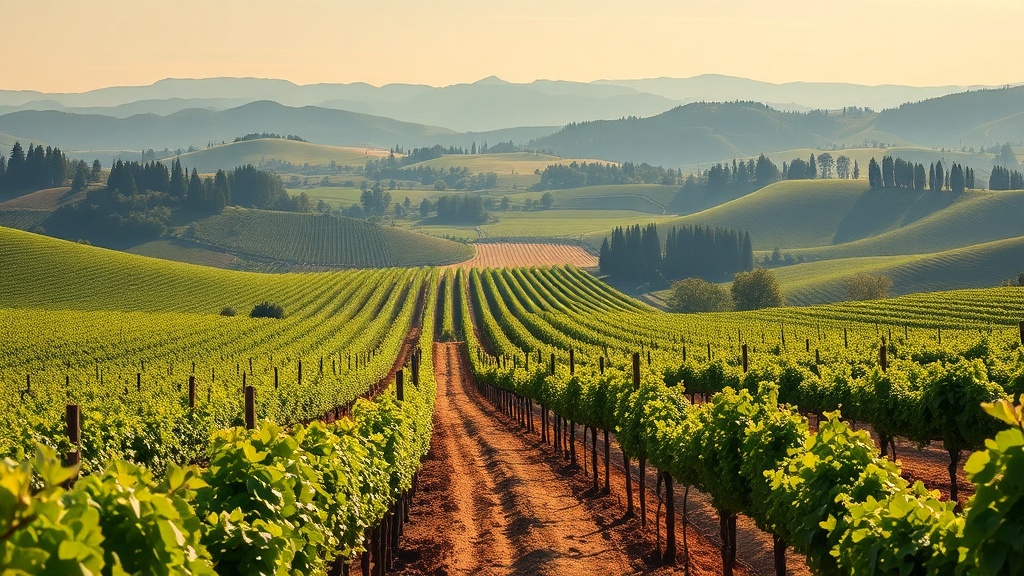
Napa Valley Wine Country: A Complete Guide to Vineyard Tours

What This Guide Covers (And Why It Matters)
Napa Valley welcomes over 3 million visitors annually — all chasing that perfect pour among rolling vineyards and golden hills. This guide cuts through the noise. You'll find practical booking strategies, real winery recommendations, seasonal timing advice, and budget breakdowns that actually match what you'll spend. Whether planning a first-time visit or returning to explore deeper, this resource delivers actionable steps for a seamless wine country experience.
What's the Best Time to Visit Napa Valley?
September through October offers ideal conditions — warm days, cool evenings, and harvest activity in full swing. That said, this popularity comes with premium pricing and crowded tasting rooms.
Shoulder seasons bring their own charm. March to May blankets the valley in wild mustard blooms between vineyard rows. Temperatures hover in the comfortable 60-70°F range, and hotel rates drop 20-30% compared to peak months. The vines themselves are quiet — no crushing, no picking — but the atmosphere feels relaxed and unhurried.
Summer (June through August) delivers consistent sunshine. Mornings start cool and clear; afternoons can spike past 90°F. Some wineries shift tastings to covered terraces or indoor cellars during heat waves. Winter visits — November through February — mean rain, fog, and occasional frost. The trade-off? Intimate experiences. Winemakers sometimes pour personally when crowds thin. You'll also score the best lodging deals of the year.
Harvest season (August through October) transforms the valley into organized chaos. Grape trucks rumble between vineyards. Crush pads buzz with activity. Some wineries close to public tastings entirely; others offer special harvest experiences at premium prices. Book six months ahead if visiting during this window.
Which Wineries Should Actually Be on Your Itinerary?
The valley divides into distinct sub-regions, each with its own personality. Here's the thing: trying to "do Napa" in a day means spending more time in traffic than tasting.
Stags Leap District — located along the Silverado Trail — produces some of California's most elegant Cabernet Sauvignons. Clos du Val offers a laid-back, unpretentious tasting experience with vineyard views that don't require reservations three months out. Their three-flight tasting runs $45 — reasonable by Napa standards.
Rutherford sits in the valley's heart. The "Rutherford Dust" — a specific soil composition — creates Cabernet with distinctive dusty tannin structure. Quintessa requires advance booking (often 60+ days) but rewards the planning with a biodynamic estate tour that actually explains their farming practices rather than greenwashing.
Howell Mountain rises above the fog line, producing intense, structured wines. The drive up twists and climbs — not ideal after multiple tastings. Plan this early in your day.
| Sub-Region | Signature Style | Budget Range (Per Tasting) | Booking Lead Time |
|---|---|---|---|
| Stags Leap District | Elegant Cabernet, silky tannins | $45-$85 | 1-2 weeks |
| Rutherford | "Dusty" Cabernet, powerful structure | $60-$150 | 4-8 weeks |
| Oakville | Opulent, age-worthy reds | $75-$200 | 6-12 weeks |
| Carneros | Cool-climate Pinot Noir, Chardonnay | $35-$65 | 3-7 days |
| Howell Mountain | Intense, age-worthy mountain wines | $50-$100 | 2-4 weeks |
Carneros — straddling Napa and Sonoma — focuses on cooler-climate varieties. The sparkling wine houses here (Domaine Carneros, Gloria Ferrer) offer outdoor seating with views stretching toward San Francisco Bay. It's a smart way to start any tasting day — bubbles refresh the palate, and the lower alcohol content won't ruin your afternoon clarity.
How Much Should You Actually Budget?
A realistic long weekend runs $800-$1,500 per person — excluding flights. Here's how that breaks down.
Tasting fees dominate. The days of complimentary pours ended years ago. Expect $45-$75 per standard tasting at established wineries. Reserve tastings — often seated, sometimes paired with food — run $95-$250. Some producers (Screaming Eagle, Harlan) operate entirely by allocation and referral — no public tastings available.
Transportation requires serious thought. California's DUI laws are strict (0.08% BAC), and Napa Highway patrols actively monitor. Options include:
- Designated driver services — companies like Napa Valley Wine Country Tours provide drivers who use your rental vehicle. Rates hover around $75-$95 per hour with a 5-hour minimum.
- Private car services — sedans or SUVs with professional drivers run $600-$900 for a full day.
- Group tours — shared van experiences cost $150-$250 per person but lock you into fixed schedules and wineries.
- Hop-on shuttles — the Napa Valley Wine Train combines scenic rail travel with winery stops. Lunch-inclusive packages start around $250.
Lodging presents another significant expense. Calistoga and St. Helena command premium rates — $400-$800 nightly for mid-tier properties. American Canyon and Napa city offer more reasonable alternatives at $150-$300, though you'll sacrifice that "waking up in the vines" atmosphere.
Dining runs the gamut. The French Laundry — Thomas Keller's three-Michelin-star destination — requires reservations released two months in advance (and costs $350+ per person). More accessible options include Gott's Roadside for burgers and shakes ($15), or Bounty Hunter Wine Bar for smoked meats and extensive by-the-glass selections ($40-$60 per person).
How Do You Structure the Perfect Tasting Day?
Three wineries maximum. That's the unbreakable rule — unless enjoying wine is secondary to collecting Instagram content.
Start with sparkling wine or lighter whites. Carneros producers or wineries like Mumm Napa set the right pace. Your palate stays fresh; your judgment remains sharp.
The second stop should represent your primary interest — usually Cabernet-focused estates in Oakville or Rutherford. Schedule this for late morning when staff energy runs high and crowds remain manageable.
Lunch matters more than most visitors realize. Heavy meals dull the palate; empty stomachs amplify alcohol effects. Many wineries now offer food pairings — cheese plates, charcuterie, even full prepared meals. The catch? These require advance booking and significantly extend your stay.
Afternoon tastings demand selectivity. By 3 PM, even moderate consumption catches up. Choose one standout producer — perhaps a smaller family operation where you'll sit with the winemaker or owner. These appointments often run 90+ minutes versus the standard 45-minute tasting.
End by 5 PM. Most wineries close by 5:30 or 6, anyway. Use the evening for a proper dinner, not additional drinking. Your head — and your hotel neighbors — will thank you.
Practical Booking Strategies
Thursday and Friday mornings offer the most relaxed experiences. Weekend crowds — especially bachelor parties and bus tours — overwhelm tasting rooms by 2 PM.
Many wineries now use reservation platforms like Tock or CellarPass. Create accounts before your target release dates. Popular estates (Opus One, Cakebread, Robert Mondavi's reserve experiences) release slots 30-90 days out — and prime weekend times vanish within hours.
Worth noting: some producers waive tasting fees with bottle purchases. This policy varies widely. Ask politely when booking; don't expect automatic credits.
What Should First-Time Visitors Know?
Spittoons aren't embarrassing — they're smart. Professional tasters expect you to use them. Pouring perfectly good wine into the dump bucket preserves your clarity for later stops.
Dress in layers. Morning fog rolls thick through the valley, burning off to 80°F afternoons. Cobblestone paths and gravel driveways destroy inappropriate footwear.
Shipping wine home usually makes sense for purchases over six bottles. Federal regulations complicate personal transport — and airline baggage handlers aren't gentle with carefully selected Cabernets. Most wineries offer flat-rate shipping ($25-$45 per case) to legal states.
Water consumption isn't optional. The dry climate plus alcohol dehydrates quickly. Start each morning with a full glass; continue between tastings.
Finally — ask questions. Winery staff (and owners, at smaller operations) genuinely enjoy discussing their work. Specific inquiries — "How did the 2020 fires affect this vintage?" or "Why did you switch to native fermentation?" — generate far better conversations than generic requests for "your best wine."
Napa Valley rewards preparation. The visitors who research, book strategically, and pace themselves consistently report better experiences than those treating the region as a wine-themed amusement park. Pick your priorities. Accept that you cannot "do it all." What's left — a few carefully chosen tastings, a memorable meal, perhaps a bottle to open months later — creates the kind of travel memory that actually lasts.