Navigating the Logistics of a Napa Valley Wine Tour

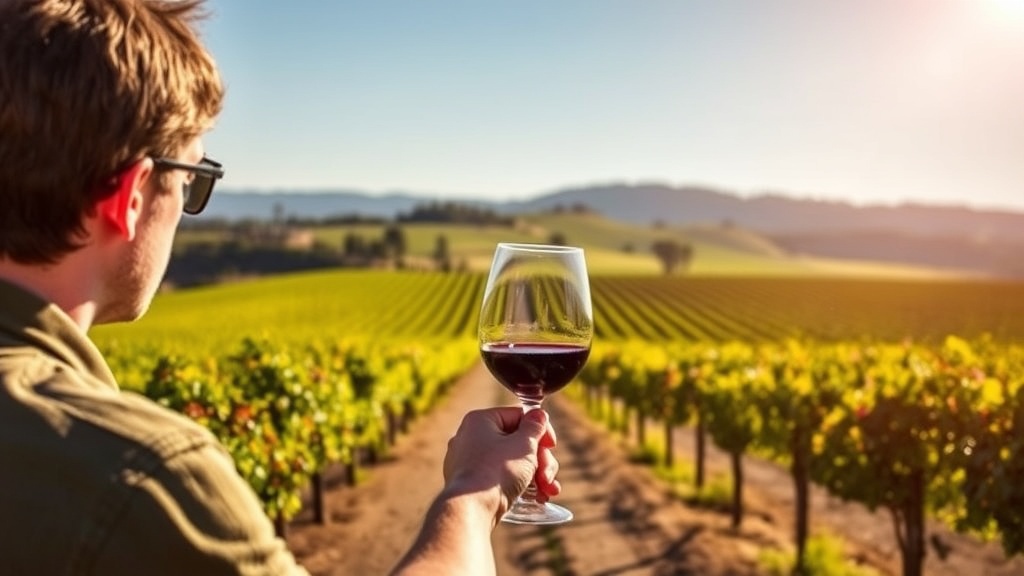
Imagine standing on a sun-drenched terrace in St. Helena, looking out over rows of Cabernet Sauvignon, only to realize you have no way to get to your afternoon tasting in Calistoga. You've booked the most beautiful tasting, but the lack of a reliable transport plan means you're stuck choosing between an expensive private car or a ride-share app that might not even service your remote vineyard location. This isn't just a minor inconvenience; it's the difference between a relaxed, high-end experience and a stressful, logistical nightmare. Planning a trip through Napa Valley requires more than just picking a few wineries; it demands a strategy for movement, timing, and local transport.
While the scenery is breathtaking, the actual mechanics of moving between estates can be tricky. Napa is a sprawling region, and the distances between a winery in Yountville and one in Rutherford aren't negligible when you're trying to keep a schedule. If you don't account for the transit time, you'll spend more time staring at a GPS than enjoying your glass of Chardonnay. This guide covers the actual mechanics of getting around, from driver requirements to the best ways to handle the hilly backroads.
What is the best way to get around Napa Valley?
The most common mistake travelers make is assuming they can simply drive themselves. Even if you aren't planning on tasting heavy reds, the sheer beauty of the drive can lead to a "just one glass" mentality that quickly becomes problematic. There are three primary ways to move through the valley, each with its own set of trade-offs:
- Private Drivers: This is the gold standard. Hiring a professional car service means you have a dedicated person to handle the winding roads and the legalities of driving. It's the most reliable option, but it's also the most expensive.
- Rideshare Services: Uber and Lyft operate in the area, but don't expect them to be instant. In the more remote parts of the valley, you might wait thirty minutes or more for a driver to arrive. It's also a hit-or-miss game depending on the time of day.
- Bicycles: If you're feeling adventurous and the weather is mild, biking between nearby estates in Yountville or St. Helena is wonderful. Just remember that the roads can get busy with cyclists, and you'll need to carry your gear safely.
For those who want a seamless experience, I always recommend checking out the Visit Napa Valley official website to see which services are currently active in the region. They often have updated information on local transit options and seasonal changes.
How much should I budget for transportation?
Transportation is often the hidden cost that eats up a travel budget. If you are staying in a luxury resort, you might be tempted to use the hotel's car service, but be aware that these rates are often significantly higher than standard local options. Here is a rough breakdown of what you might encounter:
| Method | Estimated Cost (Per Day/Trip) | Pros | Cons |
|---|---|---|---|
| Private Chauffeur | $150 - $300+ per hour | Seamless, high-end, safe | Expensive, requires early booking |
| Rideshare (Uber/Lyft) | $25 - $60 per trip | Flexible, moderate cost | Unreliable in remote areas, wait times |
| Rental Car | $75 - $150 per day | Total freedom, easy for luggage | Requires a designated driver, parking can be tight |
If you decide on a rental car, remember that parking at popular tasting rooms is often limited. Arrive early or look for spots tucked away in side streets to avoid the frustration of circling a lot while your reservation time ticks away.
When is the best time to schedule tastings?
Timing is everything in Napa. If you book a tasting for 11:00 AM and a lunch for 1:00 PM, you've left zero room for the unexpected. A beautiful view might hold your attention longer than expected, or the winery might be running slightly behind. A good rule of thumb is to build in a 45-minute buffer between every single engagement. If you're traveling during the peak summer months, the heat can also slow things down, making the midday transit more grueling.
The best time to start your day is early, around 10:00 AM. This allows you to finish your primary tastings by mid-afternoon, leaving the evening free for a relaxed dinner in downtown Napa or Yountville. If you're planning to use public transit or rideshares, keep in mind that service drops off significantly after 6:00 PM. If you want to enjoy a late dinner at a high-end restaurant, ensure you have a pre-arranged way to get back to your hotel.
For more detailed information on regional transit schedules and potential local restrictions, you can consult the Napa County official site. Staying informed about local roadwork or seasonal events is also a smart way to avoid getting stuck in traffic during your transit between estates.
One thing to keep in mind is the topography. The hills around the valley can make driving a rental car a bit more intense than a flat, straight highway. If you're not comfortable with steep inclines or narrow, winding-road turns, a driver is definitely your best bet. It allows you to actually look out the window at the scenery instead of obsessing over the road.
Finally, don't forget to check the weather. A sudden afternoon fog or rain can change the vibe of your outdoor tasting and might also affect how easily you can find a ride. Always have a backup plan—whether that's a pre-booked car or a clear understanding of the local bus routes—to ensure your trip remains a joy rather than a logistical puzzle.