Planning a Smooth Trip to the Douro Valley: Everything You Need to Know

What to Expect When Visiting the Douro Valley
This guide covers the logistics, timing, and practical realities of visiting Portugal's most iconic wine region. You'll learn how to handle the terrain, when to book your accommodations, and how to structure your days to see both the river views and the historic quintas.
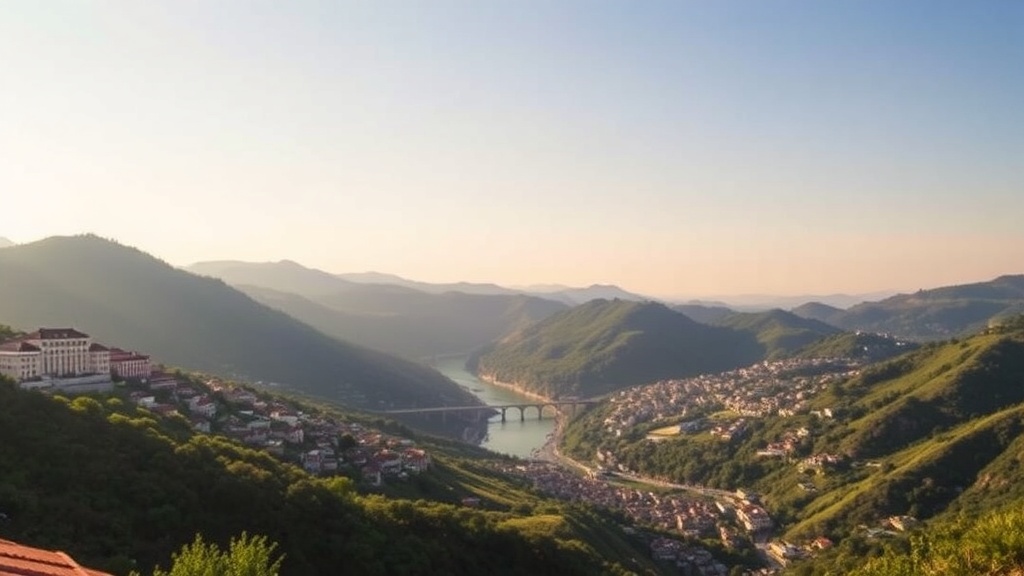
The Douro Valley isn't your standard European countryside. It's a steep, rugged, and intense landscape that demands respect. If you're expecting flat roads and easy strolls, you might be in for a shock. The region is defined by its terraced vineyards (the famous "patamares") that cling to the hillsides. This means your travel plans need to account for winding roads and significant elevation changes. You aren't just traveling through a valley; you're climbing it.
One of the first things to consider is your mode of transport. While many people think a rental car is the only way to go, it can be a bit of a headache if you aren't used to tight, narrow curves. Many travelers prefer the train from Porto to the Pinhão station. The ride is stunning—some of the best views in the world—but it won't get you to the specific, tucked-away estates that often hold the best experiences. If you choose to drive, make sure your vehicle is capable of handling steep grades and that you feel comfortable with manual transmissions if you're renting a car in Portugal.
When it comes to timing, the seasons change the character of the valley entirely. Summer is hot (think high heat and bright sun) and can be quite intense for outdoor activities. Spring and autumn offer a more tempered climate, but you also face the risk of unpredictable weather. If you're looking for the most vibrant colors, late spring is a winner. If you want to see the harvest in full swing, aim for September or October. Just remember that peak season also means higher prices and more crowds at the popular viewpoints.
How much money should I budget for a Douro trip?
Budgeting for the Douro is tricky because the price points vary wildly between a simple guesthouse and a luxury five-star estate. A mid-range budget allows for comfortable stays in local pousadas and several high-quality tastings. However, don't forget to budget for the experiences themselves. A high-end Port tasting or a private boat tour on the river can add up quickly. It's a good idea to check the official tourism sites for regional pricing-related news or local events that might affect costs.
Generally, you'll find that dining in the smaller villages is quite affordable, but the "fine dining" experiences at the major quintas are a different story. I'd suggest setting aside a specific fund for your river cruises or private boat rentals, as these are the highlights that truly define the region. Don't forget to account for small expenses like local snacks or cafe stops, which are a staple of Portuguese life.
What is the best way to see the vineyards?
There are three main ways to experience the scenery: by land, by water, or by air. Most people stick to the land, driving between different estates. However, the most immersive way to see the scale of the terraced vineyards is via a traditional Rabelo boat. These boats used to transport wine barrels down the river, and today, they serve as a perfect way to see the valley from a different angle. It’s a slower pace, but it offers a perspective you just can't get from a car window.
If you're more of an active traveler, there are hiking paths that wind through the hills, though these require a decent level of fitness. Many of these paths are quite steep and can be punishing in the midday sun. If you decide to hike, do it early in the morning. For those who want to see everything without the physical exertion, the train route provides a perfect, seated way to soak in the vistas while moving between the major towns like Peso da Régua and Pinhão.
Is it better to stay in Porto or the Douro Valley?
This is a common debate among travelers. Staying in Porto gives you more nightlife, more diverse dining, and easier access to the airport. However, you'll spend a significant amount of time commuting to the actual wine region. If your goal is to truly relax and soak in the atmosphere, I highly recommend staying within the valley itself. Staying at a local quinta allows you to wake up to the mist over the river and enjoy much quieter evenings.
Staying in the valley also allows you to participate in early morning or late afternoon activities when the light is best for photography. If you stay in Porto, you're essentially doing a day trip, which can feel rushed. The Douro is a place meant for slow travel. You want time to sit, sip, and observe. If you're looking for a more social, bustling environment, Porto is your base; if you want the quintessential wine country experience, head straight into the heart of the valley.
To prepare for your trip, I'd recommend looking at the local transport guides to see if there are any seasonal changes in train schedules. Public transport in the region is functional, but it doesn't run with the frequency you might expect in a major city. Planning your meals and your movement a day or two in advance is a smart way to ensure you aren't left searching for a restaurant when the sun goes down and the local options become limited.
One final tip: always carry cash for smaller villages. While larger establishments accept cards, the small cafes and local shops in the smaller hamlets often prefer or even require cash for small transactions. It's a small detail, but it can save a lot of frustration when you're out exploring the rural parts of the valley.