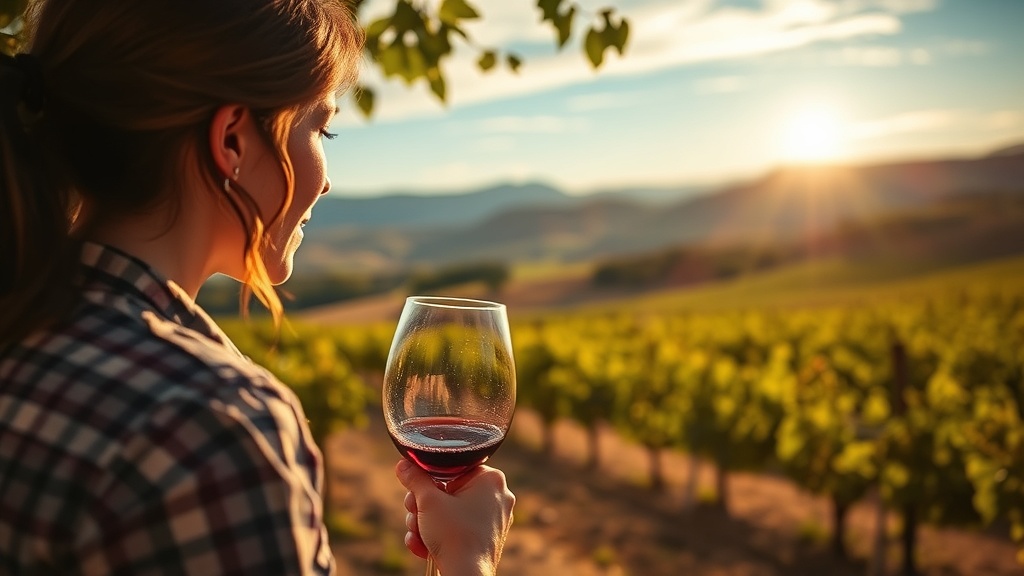
Ultimate Guide to Wine Country: Vineyards, Tastings & Hidden Gems

This guide covers everything needed to plan an exceptional wine country vacation—from selecting the right region and booking tastings to uncovering hidden wineries most tourists never find. Whether you're a casual sipper or a dedicated oenophile, you'll discover practical strategies for maximizing your time among the vines without overspending or falling into tourist traps.
Which Wine Region Should You Visit First?
Napa Valley attracts the most attention, but it's not the only option—or always the best choice. Napa delivers polished experiences, world-class restaurants, and iconic wineries like Robert Mondavi and Stag's Leap Wine Cellars. That said, you'll pay premium prices for tastings that often start at $75 and climb past $200.
Sonoma County offers better value and more variety. It's larger than Napa, with distinct sub-regions: Russian River Valley for Pinot Noir, Dry Creek Valley for Zinfandel, and Sonoma Coast for cool-climate Chardonnay. Tastings typically run $30-$60, and the atmosphere feels more relaxed—less tour bus, more backroad discovery.
Paso Robles in Central California has emerged as a serious contender. Hot days and cool nights create bold reds—especially Rhône varieties like Syrah and Grenache. The town itself is unpretentious, with excellent barbecue joints and casual tasting rooms where you can chat with winemakers.
Here's the thing—Oregon's Willamette Valley deserves consideration too. Pinot Noir dominates here, and the landscape (green, misty, dotted with barns and hazelnut orchards) feels worlds away from California's golden hills. Portland's only an hour away, making logistics simple.
How Much Should You Budget for a Wine Country Trip?
A three-day weekend for two people typically costs $1,800-$3,500 depending on your choices. Napa sits at the high end, Sonoma in the middle, and Paso Robles or Lodi can come in under $1,500 without sacrificing quality.
Accommodation eats the biggest chunk. Napa Valley hotels average $400-$600 nightly during peak season (August through October). You'll save considerably by staying in Calistoga (the valley's northern end) or crossing into Sonoma County. Vacation rentals through Airbnb often beat hotel rates—especially for groups.
Tasting fees have exploded. Expect to pay $40-$100 per person at established wineries. Some apply this toward bottle purchases; many don't. Here's a money-saving hack: join a few wine clubs before visiting. Members usually taste free at partner wineries, and you can cancel after your trip.
Food costs vary wildly. The French Laundry books months out and costs $350+ per person. But you'll eat just as well at Gott's Roadside in St. Helena—grass-fed burgers and garlic fries for under $20. Michelin-starred dining has its place, but wine country excels at farm stands, oyster bars, and wood-fired pizza.
| Expense Category | Budget Option | Mid-Range | Splurge |
|---|---|---|---|
| Hotel (per night) | $150-$250 | $300-$500 | $600-$1,200 |
| Tastings (daily) | $60-$100 | $150-$250 | $400+ |
| Dinner for two | $60-$100 | $150-$250 | $500+ |
| Transportation | Designated driver | Shuttle ($150/day) | Private car ($800/day) |
What's the Best Way to Plan Your Winery Visits?
Limit yourself to three tastings daily—four absolute maximum. Wine fatigue is real, and your palate dulls after the third flight. (Plus, you want to actually remember where you went.)
Start with lighter wines—sparkling, rosé, white—and progress toward heavier reds. This isn't just etiquette; your taste buds literally lose sensitivity to subtle flavors after exposure to bold tannins. Most wineries open around 10 AM, and morning tastings offer fresher palates and smaller crowds.
Booking ahead isn't optional anymore. Popular wineries like Opus One and Castello di Amorosa require reservations weeks in advance, especially weekends. The catch? Some of the best experiences come from smaller producers who still accommodate walk-ins. Keep one slot open daily for spontaneous discoveries.
Mix your lineup. Book one famous name (the Instagram moment), one mid-size producer (solid wine, reasonable crowds), and one tiny family operation (the hidden gem). This balance prevents the trip from feeling like a conveyor belt of identical experiences.
Timing Your Visit
Harvest season (August-October) seems obvious, but it's crowded and expensive. You'll compete with serious collectors and bachelorette parties for every reservation. The thing is—wine country shines in winter. January through March bring green hills, lower rates, and intimate tastings where staff have time to chat. Spring offers wildflowers and bud break; fall provides golden vineyards without the harvest chaos.
Avoid Saturday if possible. Sunday mornings feel almost deserted—locals sleep in, tourists head home, and wineries welcome the breathing room.
Which Hidden Gems Should You Seek Out?
The famous wineries earned their reputations, but magic often happens off the main highways. In Napa, skip the Highway 29 corridor for a morning and explore Calistoga's northern reaches. T-Vine Cellars pours excellent Zinfandel in a converted gas station. Nearby, Storybook Mountain Vineyards sits at the end of a winding dirt road—the 1880s stone cave feels like discovering a secret.
Sonoma's true treasures hide in the hills. Ridge Vineyards' Lytton Springs property (yes, they're known) still feels undiscovered compared to their Monte Bello location. Further west, Porter Creek Vineyards in Russian River Valley has no sign from the road—just a gravel driveway leading to tastings poured by the winemaker himself.
Paso Robles rewards explorers willing to drive. Adelaida District's steep hills produce extraordinary wines, and Tablas Creek Vineyard (Paso's Rhône specialist) offers educational tours that explain why their grape varieties matter. The roads are rough—potholes and switchbacks—but the views (and wines) justify the rental car upgrade.
Worth noting: some wineries don't have tasting rooms at all. Allocate a day for "winery-direct" appointments—private tastings at production facilities. Kutch Wines in Sebastopol and Anthill Farms in Healdsburg both operate this way. Email ahead; explain genuine interest in their winemaking philosophy. These intimate sessions often become trip highlights.
What Should You Know Before You Go?
Pace yourself with water and food. Altitude, sun, and alcohol combine mercilessly—dehydration hits faster than expected. Most wineries provide crackers or cheese, but don't rely on them. Pack protein bars or stop at Oakville Grocery for picnic supplies.
Spitting isn't rude; it's smart. Professional tasters spit constantly. You're paying for the experience, not obligated to finish every pour. Request a spit bucket—any reputable winery accommodates this without judgment.
Shipping wine home makes sense for larger purchases, but know the rules. Most states allow direct shipment, but Utah, Mississippi, and parts of the South restrict alcohol delivery. Check before falling in love with a case you can't legally receive.
Here's the thing about photography—ask before shooting in cellars or production areas. Wineries protect trade secrets and worry about liability. Barrel rooms look beautiful, but flash photography annoys everyone and can damage sensitive equipment.
"Drink what you like, not what you're supposed to like. The best bottle is the one that makes you happy, regardless of scores or price tags."
Designated drivers save vacations. Even if you spit most tastings, residual alcohol accumulates. Options include hiring drivers through local services (Napa Valley Wine Country Tours, Pure Luxury Transportation), booking group shuttles, or using Uber in denser areas like downtown Napa or Healdsburg. Rural roads mean spotty cell service—download offline maps.
Finally, buy wine you love. Tasting fees sting less when applied toward bottles. Wine clubs offer discounts (usually 15-25%) but commit you to ongoing shipments—join selectively. The wines available only at the winery often justify the purchase; widely distributed labels you can find at home rarely do.