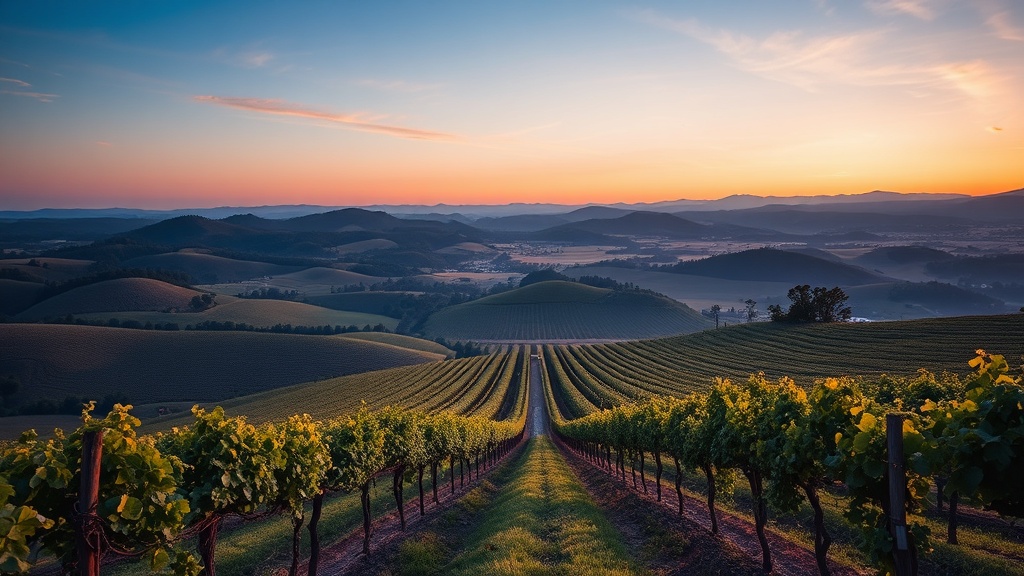
What No One Tells You About Planning Your First Wine Country Trip

Why Do So Many First-Time Wine Travelers Come Home Disappointed?
Here's something that might surprise you—roughly 40% of first-time wine country visitors admit they didn't enjoy their trip as much as they'd hoped. Not because the wine was bad or the scenery disappointed, but because their planning missed the mark. The valleys and vineyards of the world's great wine regions look effortless in photographs. Behind that beauty sits a reality: wine country travel rewards preparation, and punishes winging it. Whether you're eyeing the rolling hills of Willamette Valley, the sun-baked slopes of Priorat, or the historic cellars of the Loire, what separates an unforgettable vacation from a forgettable one often comes down to expectations—and the mistakes you avoid making before you even pack your bags.
This guide covers the missteps that catch travelers off guard. These aren't obvious blunders like forgetting to book accommodation (though people still do that). These are the subtle errors—the ones that drain your budget, waste precious daylight hours, or leave you standing in a tasting room wondering why everyone else seems to be having more fun. We'll walk through the most common pitfalls and give you concrete ways to sidestep them entirely. By the end, you'll know exactly what experienced wine travelers wish someone had told them before their first trip.
What's the #1 Booking Mistake That Ruins Wine Country Vacations?
Most travelers book their hotel first, then try to build an itinerary around it. That's backward—and it's costing you both money and experiences. Wine country accommodations fill fast, especially during harvest season and shoulder months when weather cooperates. But here's what veteran travelers know: the wineries you want to visit should dictate where you stay, not the other way around.
Popular estates like Domaine Carneros in Napa or Penfolds in Australia's Barossa Valley book tastings weeks—or months—in advance. Secure those reservations first. Then find lodging within a reasonable radius. You'll cut driving time significantly and gain flexibility for spontaneous discoveries. Many first-timers don't realize that the most sought-after experiences—private cave tours, library tastings, vineyard walks with winemakers—require advance booking through winery websites or specialized platforms. Showing up hoping for a walk-in spot works maybe 20% of the time during peak season. The other 80%? You're looking at a locked gate or a politely apologetic staff member explaining they're fully committed.
Another overlooked factor: many wineries operate limited hours or close entirely during winter months. Always verify seasonal schedules directly through official winery channels. A quick email or phone call saves you a frustrating drive to a locked tasting room.
How Many Wineries Can You Actually Visit in One Day?
The honest answer? Fewer than you think. Novice planners often stack four or five tastings into a single day, imagining they'll pop in, swirl a glass, and move to the next stop. Reality hits differently. A proper tasting takes 60 to 90 minutes—sometimes longer if the winemaker is pouring or you're exploring the grounds. Factor in driving time between properties (those scenic wine country roads wind and climb), lunch, and the cumulative effect of alcohol, and three well-chosen stops becomes the sensible maximum.
Over-scheduling creates a checklist mentality that ruins the whole point. You're racing, not experiencing. The memories that stick—the conversation with the cellar master, the unexpected barrel sample, the view from the terrace you lingered at—require unhurried time. Build buffer into your days. A two-hour lunch at a local bistro, an unplanned stop at a roadside produce stand, a walk through a village square—these unscripted moments often become the trip's highlights.
Pace matters for practical reasons too. Most wine regions have strict driving laws, and police presence increases during tourist season. Spitting is acceptable and expected at professional tastings—don't let pride prevent you from using the dump bucket. Better yet, hire a driver for at least one day. The cost splits reasonably across a group, and you'll actually taste everything instead of nervously limiting yourself.
Are You Packing All Wrong for Wine Country?
One look at wine country Instagram feeds and you'd think the dress code requires sundresses and straw hats. Cute—but often impractical. Vineyards are working farms. That means dust, mud, uneven gravel paths, and temperature swings that catch people off guard. Morning fog can drop temperatures 20 degrees below afternoon highs. Cellars stay cool year-round. Many tasting rooms enforce dress codes that prohibit flip-flops or athletic wear.
Layered clothing solves most problems. Bring a light jacket even in summer. Closed-toe shoes with decent grip handle cobblestone courtyards and vineyard walks far better than sandals. Neutral colors hide dust and photograph better against green vines. A small crossbody bag keeps hands free for holding glasses and cheese plates. And yes, pack that wide-brimmed hat—but make sure it has a chin strap. Wine country gets windy.
The biggest packing mistake? Forgetting to leave room in your suitcase. Most travelers buy wine. Cases ship home, but individual bottles—gifts, rare finds, sentimental purchases—travel better in checked luggage surrounded by clothing. That extra pair of shoes you debated bringing? Leave them home. You'll need the space.
Why Does Your Tasting Room Etiquette Matter More Than You Think?
Tasting rooms operate on thin margins and genuine hospitality. They remember visitors who treat the experience—and the staff—with respect. The basics: arrive on time (not early, not late), keep your voice at conversation level, and actually listen when someone explains what's in your glass. Nothing signals amateur status faster than checking your phone while a pourer describes their family's three-generation farming history.
Purchasing etiquette varies by region. In the United States, buying a bottle isn't expected but earns goodwill—especially at smaller estates where every sale counts. In Europe, particularly France and Italy, tastings are often complimentary with the expectation you'll purchase if you enjoyed the experience. Ask about policies upfront if unclear. Either way, tipping the tasting room staff (when not already included) shows appreciation for their time and knowledge.
Group dynamics matter too. Large parties without reservations strain small operations. Splitting a single tasting between two people to save money irritates staff who've prepared full experiences. And please—don't argue about wine scores or prove your expertise by correcting the pourer. They've met thousands of visitors. Authentic curiosity wins far more favor than performance.
What Should You Be Eating—and When—During Your Wine Trip?
Skipping breakfast before a day of tasting isn't brave—it's foolish. Alcohol absorbs faster on an empty stomach, and judgment deteriorates quickly. Start every morning with a substantial meal including protein and fat. Eggs, avocado, whole grains—these slow alcohol absorption and keep you steady through morning tastings.
Lunch timing trips people up. Book reservations for 12:30 or 1:00 PM, not noon when every other visitor descends simultaneously. Seek out restaurants that understand wine—not just places with vineyard views. A proper wine country lunch includes a half-bottle or full bottle shared across the table, local ingredients that reflect the region's cuisine, and time to actually enjoy both. The rushed sandwich in the car between tastings? That's a missed opportunity to understand how the local wine culture actually works.
Dinner presents different choices. Many travelers want to continue drinking wine from the region they explored that day. Smart—but pace yourself. Alternate wine with water. Order bottles by the glass if you're solo or traveling with a non-drinker. And save the heavy, ambitious restaurant experiences for your last night when you're not facing another morning of tastings. Your palate—and your liver—will thank you.
How Can You Connect With Local Wine Culture Beyond the Tasting Room?
The best wine country experiences happen where tourists don't typically look. Visit the farmers market where vineyard workers buy produce. Stop at the bakery that supplies the restaurant at your hotel. Chat with the person pumping your gas about which vintage they're drinking at home—their recommendations often outshine concierge suggestions.
Many regions offer harvest experiences where visitors can participate in actual grape picking (usually September-October in the Northern Hemisphere, March-April in the Southern). These require physical fitness and advance booking but provide unmatched perspective on the labor behind each bottle. Others host blending seminars where you create your own cuvée from barrel samples—a hands-on education in winemaking decisions.
Walk the villages too. Sleepy wine towns reveal themselves on foot—the local café where producers gather, the cooperative cellar where small growers sell their wine, the monument commemorating the phylloxera epidemic that nearly destroyed European viticulture. These encounters transform wine country from a collection of Instagram backdrops into a place you actually understand.