Why Mendoza Deserves a Spot on Your Wine Travel Radar

Here's something that might catch you off guard: Argentina produces more wine than Australia, Chile, and South Africa combined—yet most travelers outside South America couldn't name a single Argentine wine region beyond a vague nod to Malbec. Mendoza, the country's viticultural heartland, sits at the foot of the Andes and accounts for nearly two-thirds of all Argentine wine production. This post explores what makes Mendoza a compelling destination for your next wine-focused trip, from its high-altitude vineyards to the practical logistics of planning a visit that goes beyond the standard tourist circuit.
What Makes High-Altitude Wine Regions So Special?
Most wine travelers are accustomed to coastal valleys and rolling hills—not vineyards perched at 3,000 to 5,000 feet above sea level. Mendoza's vineyards push altitude boundaries that would be unthinkable in most traditional wine regions. The result? Grapes develop thicker skins to protect themselves from intense UV exposure, concentrating flavors and creating wines with remarkable structure.
The Maipú Valley, Luján de Cuyo, and the Uco Valley each offer distinct expressions of this high-altitude character. Malbec dominates plantings (and for good reason—it thrives here), but you'll also find excellent Cabernet Franc, Bonarda, and Torrontés. The Uco Valley—about an hour south of Mendoza city—has become particularly sought-after by collectors and curious drinkers alike. Vineyards here sit at elevations exceeding 4,000 feet, producing wines with striking freshness and mineral complexity.
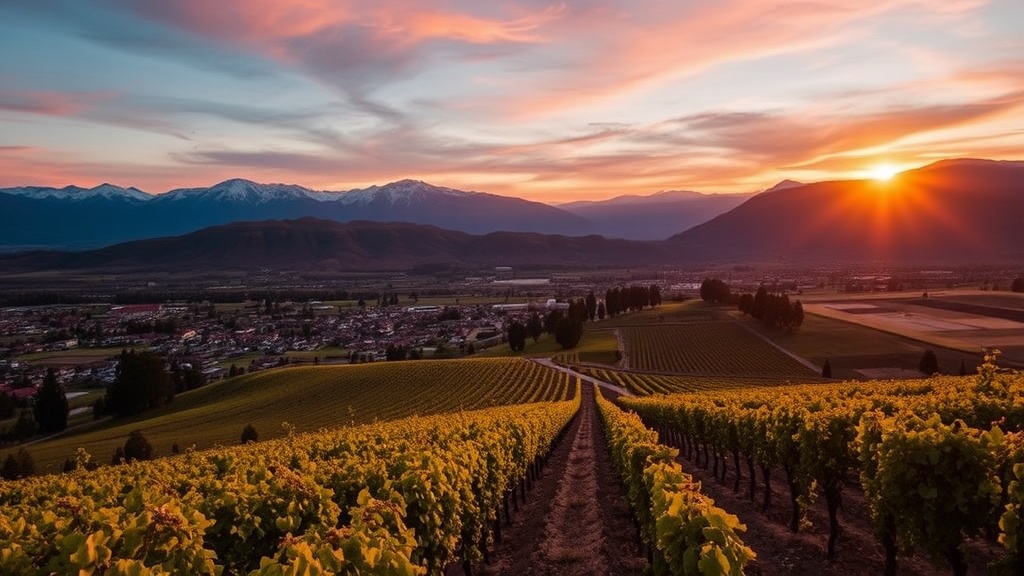
What strikes visitors isn't just the wine quality—it's the visual drama. The Andes form an almost theatrical backdrop, snow-capped peaks visible even during harvest season in March and April. This isn't gentle countryside; it's rugged mountain terrain that happens to grow exceptional grapes. The contrast creates a setting that feels genuinely unlike anywhere else in the wine world.
How Do You Structure a Mendoza Wine Trip Without a Car?
Renting a vehicle in Mendoza is straightforward, but it's not your only option—and for many visitors, it's not the best one. Argentina's wine regions have developed surprisingly robust alternatives for travelers who'd rather not drive between tastings.
Private drivers and guided tours represent the most popular alternative. Day trips from Mendoza city typically run $80–$150 USD per person, depending on group size and inclusions. Several operators specialize in cycling tours through Maipú's flatter terrain—an appealing option during shoulder seasons when temperatures hover in the comfortable 70s°F. Companies like Mendoza Wine Camp have built reputations on creating multi-day itineraries that handle logistics while leaving room for spontaneity.
The hop-on, hop-off wine bus (El Bus Vitivinícola) serves a fixed route through Maipú with stops at established bodegas including Trapiche and Laur. It's not glamorous, but it's practical—especially for solo travelers or those on tighter budgets. Tickets run roughly $30 USD for the day, not including tasting fees.
For something more curated, several boutique lodges in the Uco Valley offer inclusive packages that eliminate transportation concerns entirely. Properties like The Vines Resort & Spa provide on-site accommodations, restaurant facilities, and coordinated vineyard visits. You'll pay more upfront, but the convenience factor—and the quality of the experience—often justifies the premium.
When Is the Best Time to Visit Mendoza's Wine Country?
Timing your visit requires balancing weather, crowds, and what's actually happening in the vineyards. Harvest season (late February through April) draws the most visitors—vineyards buzz with activity, and the Fiesta Nacional de la Vendimia (National Harvest Festival) transforms Mendoza city into a celebration of wine culture with parades, concerts, and the famous blessing of the grapes ceremony.
But harvest season isn't necessarily ideal for everyone. Accommodation prices spike, popular bodegas book solid weeks in advance, and the region's infrastructure strains under tourist demand. If you're more interested in relaxed tasting and personal attention, consider visiting during November or early December—spring in the Southern Hemisphere. The vines are flowering, temperatures are warming but not oppressive, and you'll have more flexibility with last-minute bookings.
Winter visits (June through August) present another compelling case. Yes, it's cold—temperatures regularly drop below freezing at night—but the Andes are at their snowiest and most photogenic. Several ski resorts operate within two hours of Mendoza city, making a combined wine-and-snow trip surprisingly feasible. Plus, winter rates at lodging can drop 40% or more from peak season.
Avoid January if possible. Mendoza locals flee the city for summer holidays, and many smaller restaurants and services close entirely. The heat can be brutal—well over 90°F—and the combination of high temperatures and altitude creates conditions that feel more punishing than relaxing.
What Should You Actually Taste Beyond Malbec?
Malbec put Mendoza on the global wine map, but fixating exclusively on this grape means missing the region's full story. Argentine winemakers have spent the past two decades exploring varieties and techniques that diverge from the big, plush Malbec style that dominated export markets in the 2000s.
Cabernet Franc has emerged as perhaps the most exciting alternative—particularly from high-altitude Uco Valley sites. The grape maintains its signature herbal and red fruit character but develops an unexpected elegance at elevation. Producers like Zuccardi and Salentein have made compelling cases for Cabernet Franc as Mendoza's next signature variety.
Bonarda—Argentina's second most planted red grape—offers a completely different experience. Historically used for bulk wine production, Bonarda has been reclaimed by serious producers working with old vines. The results are juicy, food-friendly wines with bright acidity and surprisingly moderate alcohol levels. They're the kind of wines you want to drink with empanadas at a casual asado lunch.
On the white side, Torrontés deserves more attention than it receives. This aromatic variety—native to Argentina—produces wines that smell like jasmine and orange blossom but finish surprisingly dry. The best examples come from Salta province further north, but Mendoza producers are experimenting with higher-altitude plantings that preserve aromatics while adding mineral structure.
Don't overlook sparkling wines, either. Traditional method sparkling has gained serious traction, with producers like Chandon Argentina (yes, that Chandon) and smaller houses like Cruzat crafting wines that could compete with entry-level Champagne. The high-altitude acidity that benefits still wines proves equally valuable for sparkling production.
Where Should You Stay: City Base or Vineyard Retreat?
This decision shapes your entire Mendoza experience. Staying in Mendoza city puts you within walking distance of excellent restaurants, wine bars with extensive by-the-glass programs, and the practical amenities that make longer trips manageable—pharmacies, ATMs, and reliable WiFi. The city's tree-lined streets and plazas have a laid-back charm, and you'll find accommodation options ranging from budget hostels to boutique hotels like the Park Hyatt Mendoza.
The trade-off? You're driving 30–60 minutes each way to reach the best vineyards. For a short trip focused on wine tasting, this back-and-forth becomes tiring quickly.
Vineyard accommodations—ranging from rustic farmstays to luxury lodges—immerse you in the landscape but limit your dining options. Many properties offer on-site restaurants, and the best ones (like Susana Balbo's Naipó) serve genuinely excellent food. But you're committing to a more contained experience, and spontaneous exploration becomes harder without your own vehicle.
Many experienced Mendoza visitors split their stays—three nights in the city followed by two at a vineyard property, or vice versa. This approach captures both the urban energy and rural tranquility that define the region.
What Should You Know About Money and Booking?
Argentina's economic volatility requires some advance planning. The official exchange rate and unofficial "blue dollar" rate often diverge significantly—sometimes by 50% or more. As of 2024, bringing physical US dollars in cash and exchanging them locally often yields substantially better rates than using credit cards or ATMs, though this situation evolves constantly.
Many high-end wineries and restaurants now quote prices in dollars or accept payment via Western Union transfers to avoid currency complications. Check current conditions before your trip—Blue Dollar tracks unofficial rates, and recent policy changes have narrowed (though not eliminated) the gap between official and unofficial exchange rates.
Book bodega visits in advance, especially for smaller producers with limited visitor capacity. The popular estates fill weekends weeks ahead, and there's nothing more disappointing than arriving at a winery you've researched only to find no availability. Most tastings run 60–90 minutes and cost $15–$40 USD equivalent, with premium experiences (vertical tastings, food pairings, blending sessions) commanding higher prices.
Mendoza rewards travelers who approach it with flexibility and curiosity. It's not as polished as Napa or as historically layered as Bordeaux, but it offers something increasingly rare: a major wine region where you can still feel like you're discovering something rather than following a well-worn path. The combination of stunning scenery, genuinely warm hospitality, and wines that over-deliver for their price point makes Mendoza a destination that belongs on any serious wine traveler's list.