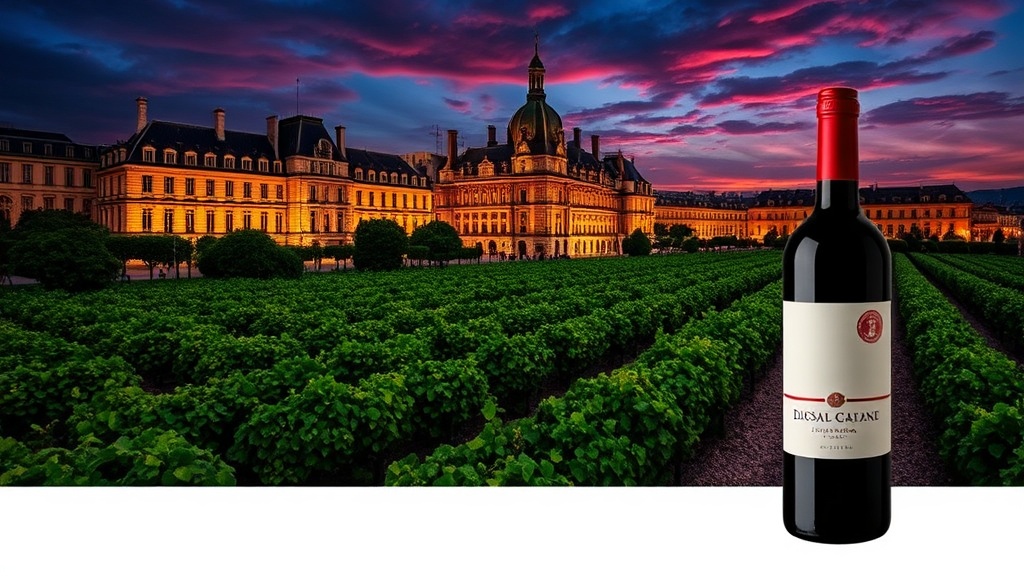
Why You Should Skip the Big Names When Visiting Bordeaux

Finding Authenticity in the Bordeaux Vineyards
Many travelers assume that visiting the most famous, high-priced chateaus is the only way to experience the true spirit of Bordeaux. They think the prestige of a legendary name guarantees a superior experience. This is a mistake. While the grand estates have their place, they often feel more like museums or high-end commercial operations than living, breathing parts of a culture. If you want a connection to the land and the people who work it, you need to look past the big-name labels.
This post covers how to pivot your travel planning toward the smaller, family-run estates that define the region's character. We'll look at why these boutique destinations offer more than just a tasting, and how you can build an itinerary that favors intimacy over prestige. It's about moving away from the scripted tours and toward something that actually feels human.
Where Can You Find the Best Boutique Wineries in Bordeaux?
The beauty of the Bordeaux region is its diversity. While everyone flocks to the Médoc to see the massive, castle-like estates, the Right Bank and the more rural outskirts offer something entirely different. You'll find much smaller operations in regions like Saint-Émilion or even the outskirts of Libourne. These spots don't have the massive marketing budgets of the world-famous names, but they have much more to say.
When you seek out these smaller estates, you aren't just a number in a tasting room queue. You're often meeting the people who actually make the wine. These visits are less about the polished, corporate feel and more about the dirt, the vines, and the seasonal changes. You might find yourself sitting in a small garden rather than a sterile, temperature-controlled room. It's a different kind of luxury—one that values time and connection over status symbols.
For more information on the history of these regions, you can check out the official French tourism site, which provides great context on the various wine-growing sub-regions. Understanding the geography helps you decide where to focus your energy during your trip.
Is It Worth Booking Private Tastings at Smaller Estates?
The short answer is yes. In the bigger, more famous chateaus, the experience can feel incredibly rigid. You follow a path, you drink from a specific glass, and you move on. It's efficient, sure, but it's rarely memorable. In contrast, booking a private session at a smaller estate often allows for a much more fluid conversation. The owner might walk you through the cellar, explain the specific soil composition of their plot, and share stories about the last vintage's challenges.
These small-scale interactions are what make a vacation feel like a discovery rather than a checklist. You aren't just consuming a product; you're learning a craft. This type of travel planning requires a bit more legwork—you won't find these tiny gems on every major booking platform—but the payoff is a much richer narrative for your trip. You'll return home with stories, not just a receipt from a famous label.
A Comparison of Experiences
| Feature | Large Famous Chateaus | Small Boutique Estates | |
|---|---|---|---|
| Atmosphere | Formal, Polished, Corporate | Rustic, Personal, Authentic | |
| Interaction | Brief, Scripted | Deep, Conversational, Educational | |
| Price Point | High (Premium for Name) | Moderate (Value for Quality) |
Don't forget to check the Bordeaux Wine Council website to understand the various appellations before you start booking. Knowing the difference between a Médoc estate and a Pomerol estate will help you choose the right direction for your travels.
How Do I Plan a Trip Focused on Small-Scale Vineyards?
Planning a trip like this requires a shift in mindset. Instead of looking for "Top 10" lists, look for local hospitality-driven sites. Search for terms like "domaine familial" or "vigneron" to find the more traditional, family-oriented properties. This isn't about finding the cheapest option; it's about finding the most meaningful one. You want to find a place where the hospitality is an extension of the winemaking process.
Start by picking a central hub for your stay—perhaps a charming village in the Dordogne or a small town near Libourne—and then build your day trips around the small estates in that immediate vicinity. This prevents you from spending your entire vacation behind a steering wheel. A well-planned itinerary should allow for slow mornings and spontaneous detours. If a local farmer tells you about a small producer nearby, listen to them. Those are the best leads you'll ever get.
You might also want to consider the seasonality of your visit. While the harvest season is exciting, it can also be a busy, hectic time for smaller producers. If you want a quiet, contemplative experience, aim for the late spring or early autumn. The weather is still pleasant, the crowds are thinner, and the landscape is a vibrant, living part of your experience. It's a small detail, but it makes a huge difference in how much you actually enjoy the scenery.
The key is to embrace the unknown. If you spend your whole time trying to replicate a perfect, high-end tour, you'll miss the charm of the actual region. The best parts of Bordeaux aren't found in the brochures; they're found in the quiet corners where the people are as dedicated to their land as they are to their guests. Travel with an open mind, and you'll find that the smallest details often leave the biggest impressions.