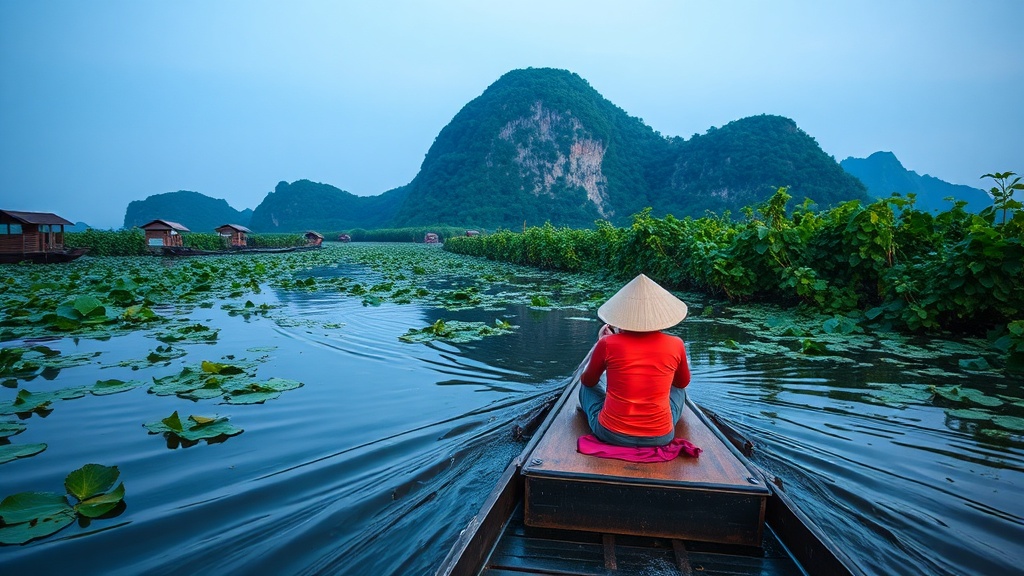
Floating Through the Floating Vineyards of the Mekong Delta

The Floating Fruit Markets
Local Fermented Fruit Delights
Riverside Dining Experiences
This guide provides the logistics, costs, and seasonal timing required to plan a trip to the Mekong Delta, specifically focusing on the floating markets and river-based commerce. You'll find practical advice on boat types, best times to visit, and how to avoid the common tourist traps found in the southern provinces of Vietnam.
The Mekong Delta isn't a single destination. It's a sprawling network of rivers, canals, and islands that defines the southern part of Vietnam. If you're planning a trip, you need to understand that your experience depends entirely on how you move through these waterways.
What is the best time to visit the Mekong Delta?
The best time to visit the Mekong Delta is during the dry season, which runs from December to April. During these months, the weather is stable and the rain is minimal, making it much easier to spend hours on a small boat without getting soaked.
If you visit during the rainy season (May to November), you'll deal with much higher humidity and sudden downpours. While the rain can be refreshing, it often complicates boat travel in the narrow canals. (Pro tip: even in the dry season, a sudden afternoon shower is always a possibility.)
There's a specific window if you want to see the fruit harvests. If your goal is to see the orchards in full bloom, aim for late spring. The delta produces an incredible variety of tropical fruits—mangoes, durages, and rambutans—but the availability shifts every month.
For more on planning high-end or specialized trips, check out my guide on how to plan a perfect getaway. The logic of timing and budget applies to almost any high-value travel destination.
How much does a Mekong Delta boat tour cost?
A private boat tour in the Mekong Delta typically costs between $30 and $70 USD per person, depending on the duration and the level of luxury. Most travelers choose between a half-day excursion and an overnight cruise on a larger vessel.
Prices vary wildly based on what you're actually booking. A simple sampan ride through the narrow canals is much cheaper than a full-day private tour that includes a gourmet lunch. Here is a breakdown of what you can expect to pay for common experiences:
| Experience Type | Estimated Cost (USD) | What's Included |
|---|---|---|
| Small Sampan (Local) | $10 - $20 | Short ride through narrow canals |
| Private Day Tour | $40 - $80 | Boat, guide, and lunch |
| Overnight River Cruise | $120 - $250 | Accommodation, meals, and tours |
| Cai Rang Floating Market | $25 - $50 | Early morning boat ride and breakfast |
Don't expect to pay a flat fee for everything. Often, you'll pay for the boat ride, but you'll still need to pay for the fruit or noodles you buy directly from the vendors on the water. Keep small denominations of Vietnamese Dong (VND) handy for these transactions.
The floating markets are the heart of the region. You'll see vendors hanging products on tall bamboo poles—this is a signal to buyers what they are selling. It's a visual language that has existed for decades.
Which floating market is worth visiting?
Cai Rang Floating Market is the most famous and well-organized market in the region, making it the best choice for first-time visitors. While it is more commercialized than others, it offers the most reliable way to see the traditional commerce in action.
If you want something slightly less crowded, look into the markets around Vinh Xuong or Phong Dien. These are smaller, more local, and feel less like a "show" for tourists. However, they may not have the sheer scale of the fruit displays found at Cai Rang.
To get the most out of a market visit, you must wake up early. The real action happens at sunrise. If you arrive at 9:00 AM, you'll mostly see the cleanup and the tail end of the trade. To see the "floating vineyards" of fruit, you need to be on the water by 5:30 or 6:00 AM.
- Cai Rang: Best for photography and seeing large-scale fruit trading.
- Phong Dien: Best for a more relaxed, local atmosphere.
- Can Tho: The central hub where most tours depart from.
The scale of the operation is massive. You'll see hundreds of boats carrying everything from pineapples to heavy crates of watermelon. It’s a high-energy environment that can feel a bit overwhelming if you aren't prepared for the noise and the crowds.
What should I pack for a river-based trip?
Packing for the Mekong Delta requires a balance between comfort and sun protection. Since you'll be spending much of your time in a small boat, your clothing needs to be functional for humidity and movement.
I highly recommend bringing a lightweight, breathable hat and high-quality sunglasses. The reflection of the sun off the water can be intense. Also, a lightweight waterproof jacket is a smart move—even if you're traveling in the dry season, the humidity can make things feel damp.
Footwear is another thing people overlook. You aren't hiking mountains, but you'll be stepping in and out of small boats and walking on uneven, muddy paths in the orchards. A pair of sturdy sandals or water-resistant shoes is much better than flip-flops.
One thing to remember: the sun is much stronger when you're sitting at water level. Don't rely solely on sunscreen; a physical barrier like a wide-brimmed hat or a light linen shirt is much more effective in the tropical heat. (Trust me, the sun hits differently on the river than it does on land.)
If you're looking at more specialized travel, like visiting the coastal regions of Europe, you might find the climate-related advice in my post about the Mosel Valley useful for comparing different types of river-based travel. The heat management strategies are quite different, but the importance of gear remains constant.
Most boat operators will provide life jackets. While they can be bulky and uncomfortable, don't skip them. The river currents can be unpredictable, and safety should always be your priority when you're out on the open water.
For official information regarding travel advisories and entry requirements for Vietnam, always check the U.S. Department of State or your local government's travel portal before booking.
The Delta is a place of constant motion. Whether you're watching a vendor pass a bowl of noodle soup through a boat or watching a massive cargo vessel pass your sampan, the energy is infectious. It's a sensory experience that stays with you long after you've left the water.