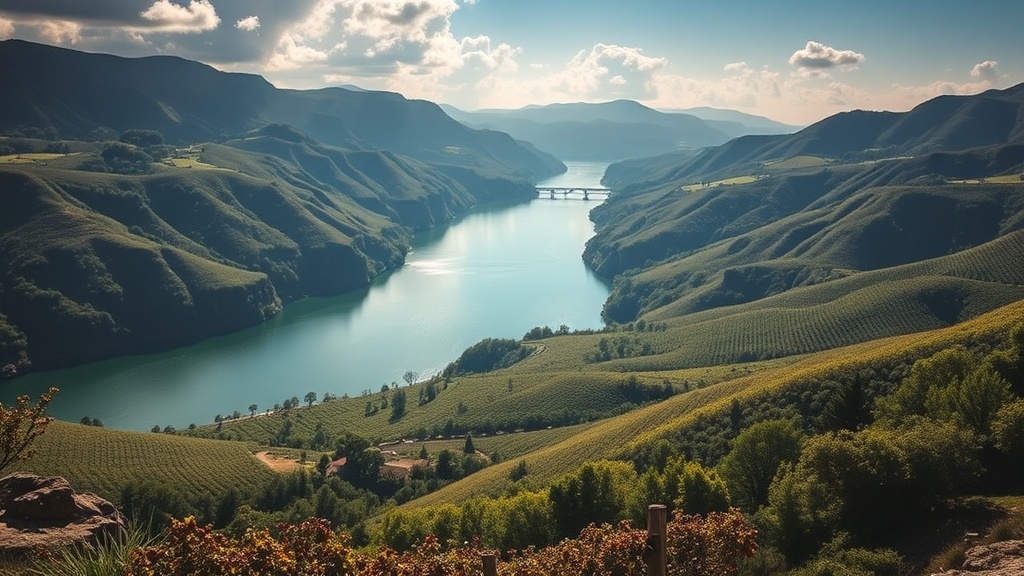
Sip and Stroll Through Portugal's Douro Valley

Cruising the Douro River
Exploring Quintas and Estates
The Charm of Pinhão
Are you wondering if the Douro Valley is actually worth the long drive from Porto? This guide breaks down the best time to visit, where to stay, and which specific quintas (estates) offer the most authentic tasting experiences. We're focusing on the logistics of planning a high-end wine trip through one of the oldest demarcated wine regions in the world.
What is the best time to visit the Douro Valley?
The best time to visit the Douro Valley is during the late spring (May and June) or early autumn (September and October) to avoid both the intense summer heat and the heavy winter rains.
The weather in the valley is a bit temperamental. It gets incredibly hot in July and August—sometimes hitting 40°C (104°F)—which can make outdoor tastings a bit much if you aren't prepared. I've found that the shoulder seasons offer the perfect balance of manageable temperatures and fewer crowds. Plus, the light in September is spectacular for photography (and your Instagram feed, obviously).
It's worth noting that the harvest season (the vindima) is a busy, high-energy time. You'll see more activity at the local estates, but you'll also find that many boutique accommodations might be fully booked months in advance. Plan ahead.
Which Douro Valley wine estates should you visit?
You should prioritize visiting established estates like Quinta do Bomfim or Quinta Nova for a mix of history and high-end hospitality. While there are hundreds of small producers, these larger names offer a level of consistency and service that is hard to beat for a first-timer.
Here are three distinct types of experiences you can find in the region:
- The Grand Quintas: These are the heavy hitters. Places like Quinta do Vall offer more than just a glass of Port; they offer luxury lodging and Michelin-starred dining. These are perfect if you want a seamless, high-end experience.
- Family-Run Boutique Estates: These are smaller, more intimate, and often more affordable. You'll likely meet the person actually making the wine. It's a much more personal way to learn about the Douro Valley.
- Modern Tasting Rooms: Located closer to the river or in towns like Pinhão, these are great for a quick stop if you're driving between Porto and the upper valley.
When you're looking at a wine list, don't be afraid to ask for something off-menu. If you're still learning the ropes of reading labels, you might find it helpful to review some tips for deciphering wine labels to better understand what you're actually ordering. It makes a huge difference when you can identify the grape and the region at a glance.
One thing to keep in mind: many of these estates require advanced bookings for tastings. Don't just show up and hope for the best. It's a common mistake that leads to a lot of wasted time sitting in a car instead of sipping a Tawny Port.
How much does a Douro Valley wine tour cost?
A typical high-end wine tasting experience in the Douro Valley costs between €25 and €75 per person, depending on the rarity of the wines being poured.
The price fluctuates wildly based on what you're drinking. A standard tasting of three or four wines will be relatively inexpensive, but if you ask to try a vintage Port from a prestigious year, the price will jump significantly. Expect to pay more if the tasting includes a full lunch or a guided walk through the vineyards.
| Experience Type | Estimated Cost (Per Person) | What's Included |
|---|---|---|
| Basic Tasting | €20 - €35 | 3-4 wines and a brief explanation. |
| Premium Tasting | €45 - €80 | Premium vintages and light snacks. |
| Full Luncheon | €75 - €150 | Multi-course meal paired with local wines. |
If you're staying at a luxury hotel like Six Senses Douro Valley, you'll find that the prices reflect that level of service. It's not just about the wine; it's about the entire environment. But if you're on a budget, there are plenty of way more affordable ways to enjoy the view without breaking the bank.
What is the best way to get around the region?
The most effective way to explore the Douro Valley is by renting a car or hiring a private driver, as public transportation between the specific wine estates is nearly non-existent.
While you can take the train from Porto to Pinhão—which is a beautiful ride, by the way—the train won't get you to the actual vineyards. The vineyards are often tucked away on steep, winding roads that are difficult to access without your own wheels. If you're planning on doing any tasting, though, a private driver is a much smarter move. You don't want to be navigating those narrow, dizzying curves after a few glasses of heavy Port. (Trust me, the roads are no joke.)
If you do decide to drive yourself, be aware that the roads are quite narrow and can be quite intimidating if you aren't used to tight spaces. It's a different kind of driving than what you'd experience in the US or Canada. It requires focus and a lot of patience.
For those who want a more relaxed pace, consider a river cruise. Taking a traditional Rabelo boat down the river is a classic way to see the landscape. It's slower, but it offers a perspective of the terraced hillsides that you simply can't get from a car. It's also a great way to see how the wine is actually transported through the region.
If you've enjoyed the more scenic side of wine regions before, you might want to look into exploring the hidden side of Tuscany for comparison. The way the landscape dictates the lifestyle is remarkably similar in both regions.
One thing to consider is the logistics of your luggage. If you're planning on buying several cases of wine to bring home, make sure your rental car has enough trunk space. Most of the larger estates have shipping services, so you don't necessarily have to carry everything yourself. It's much easier to have a case shipped to your home in Edmonton than to try and haul it through an airport!
The Douro is a place that rewards the slow traveler. Don't try to see five estates in one day. You'll end up exhausted and won't actually taste anything. Pick two or three, really lean into the experience, and enjoy the view. The hills are steep, the wine is heavy, and the pace is exactly what it should be.